


Insights · Case studies · January 19, 2026
Innovation and collaboration: a massive GHG reduction on a 510,000 sq ft commercial tower through waste-heat recovery
KROME and Kolostat cut natural-gas-related GHG emissions by 80% (≈ 550 tCO₂eq) on a downtown-Montreal commercial tower — at full occupancy, without disrupting server-room cooling. A case study with GROUPE MACH.
By Maxime Bontemps, Eng. PRT — Energy efficiency designer, KROME, a company of Kolostat inc.
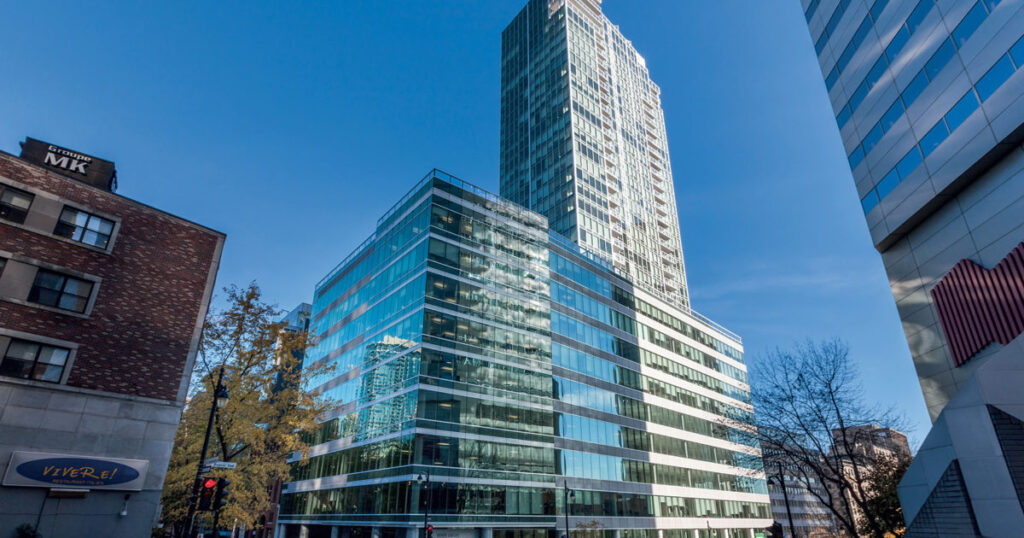
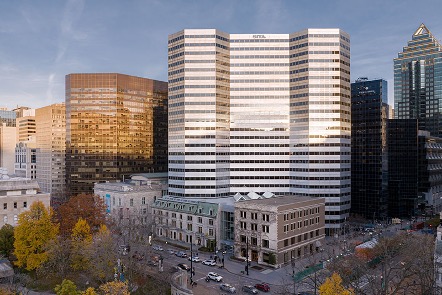
Last year, our teams took on a major challenge in the heart of downtown Montreal: to massively reduce natural-gas consumption without disrupting the operations of a 24-storey commercial tower totalling over 510,000 sq. ft. and requiring a heavy load of continuous air conditioning. This mandate was entrusted to us by GROUPE MACH, a client committed to the sustainable reduction of GHG emissions from its real-estate portfolio, under the impetus of Vince Di Domenico, Chief Operating Officer, whose vision and openness made this ambitious project a reality.
The building requires a considerable cooling load on an ongoing basis, due to the significant presence of server rooms. Occupancy-related internal loads also account for a significant proportion of these cooling requirements during daily occupancy periods.
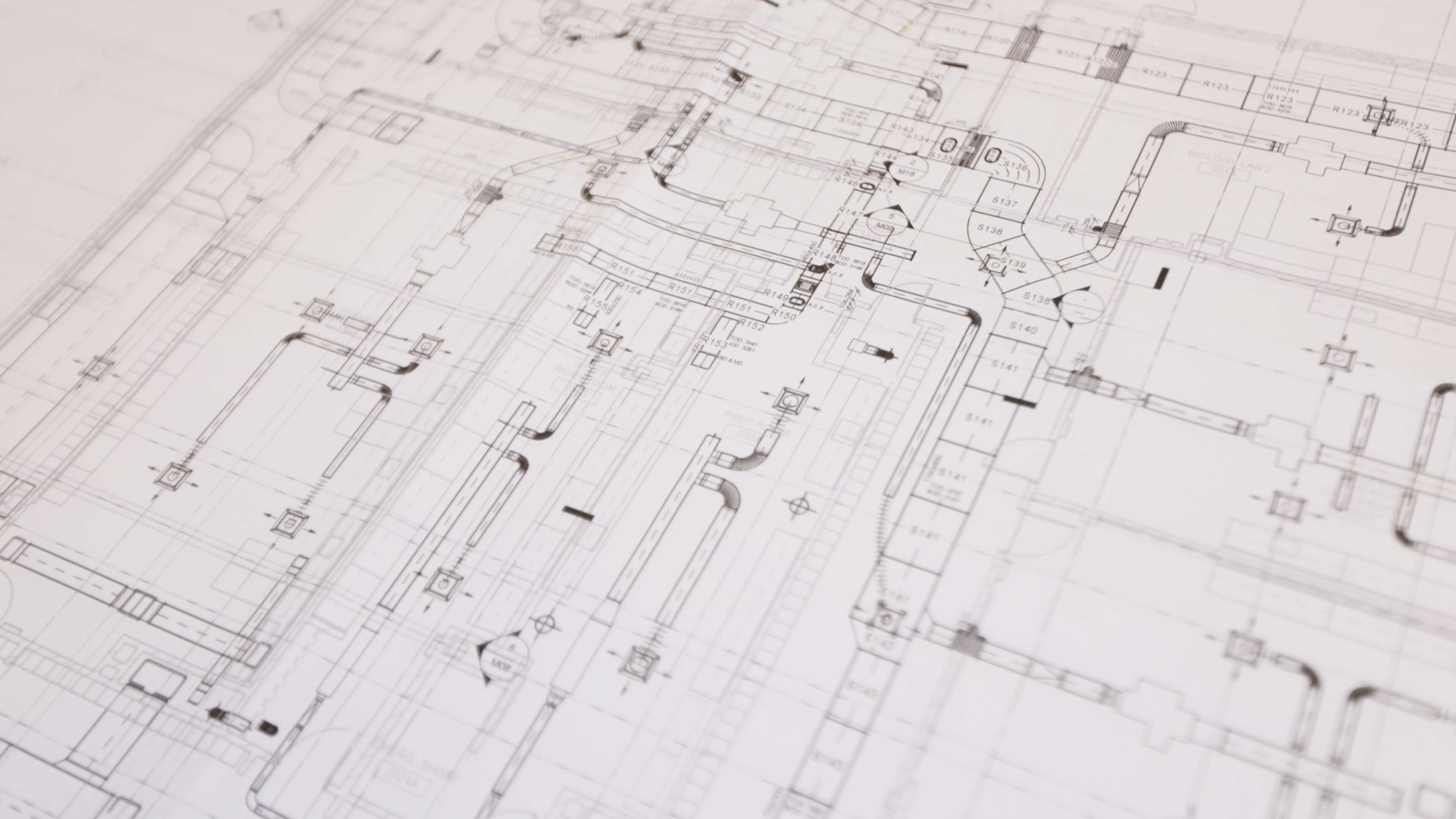
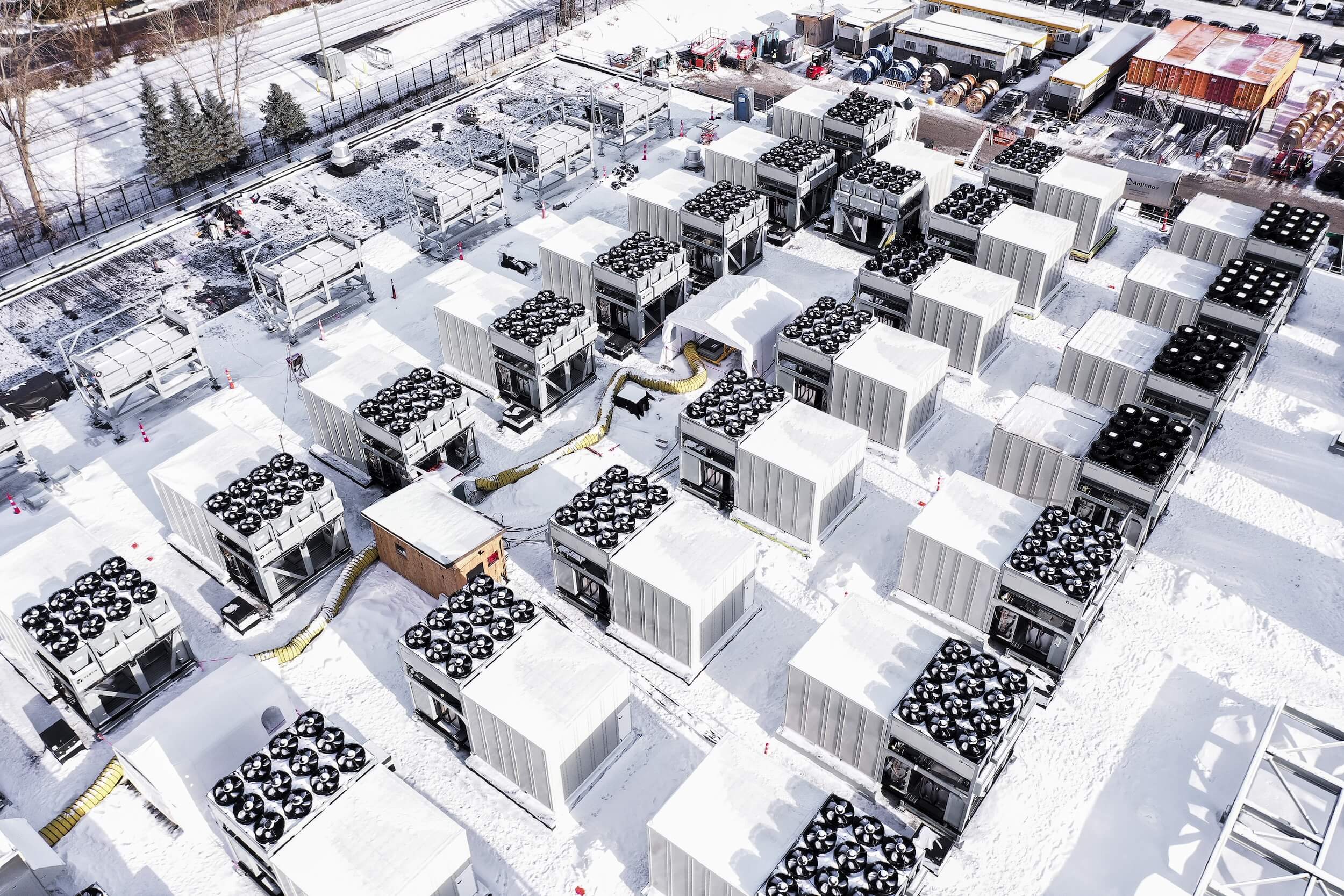
Our mission was to improve the building's overall energy efficiency by making the most of the available waste heat. Several concepts were devised to meet our customer's objectives. Three measures were selected: adding medium-temperature heat pumps to recover heat from the server rooms; optimizing existing control systems; and modernizing the ventilation systems in the mechanical rooms on the floors.
A complex technical environment
The project presented several major constraints:
- Project start-up in early 2024, for commissioning the following autumn (before the heating season).
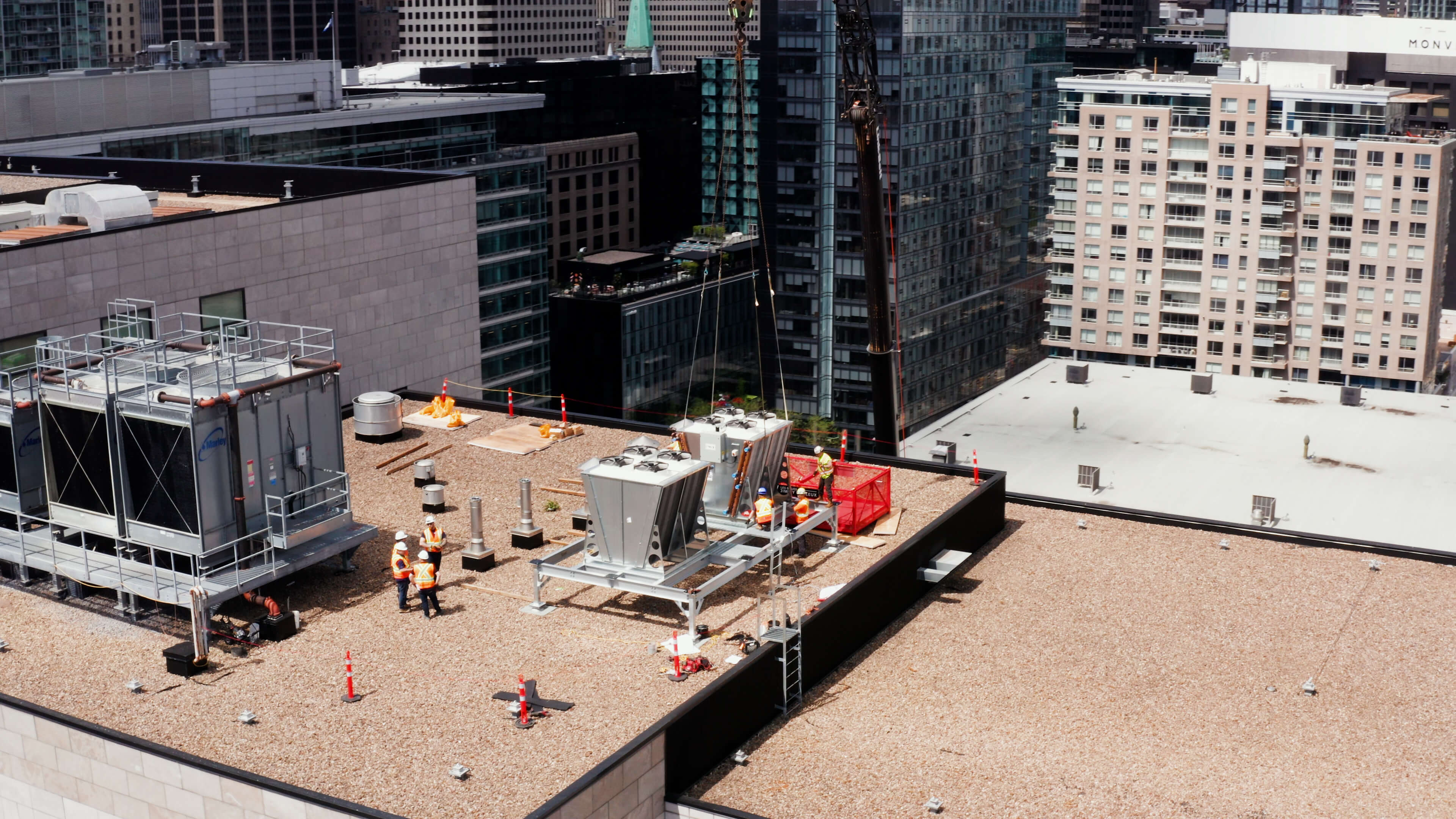
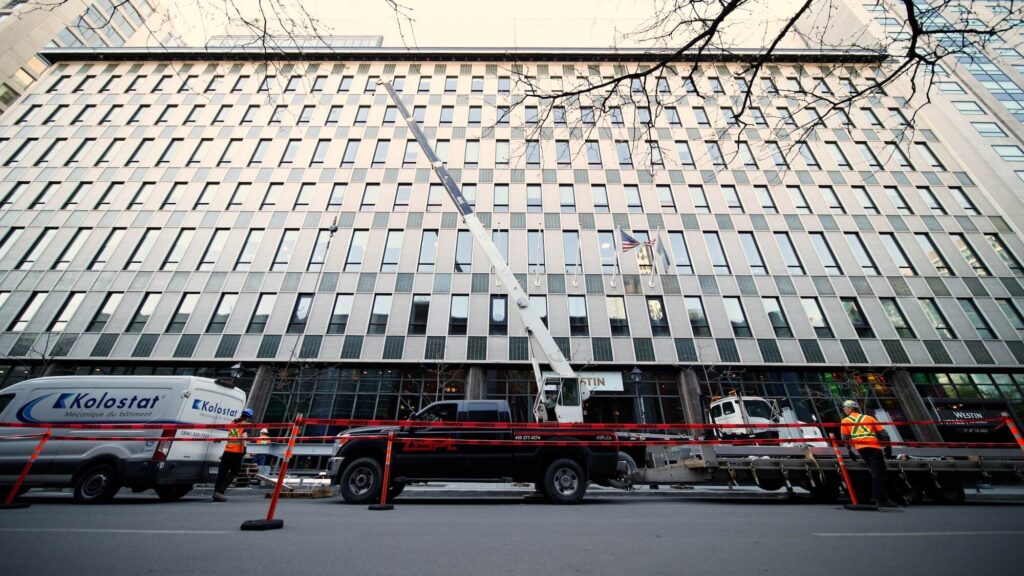
- Craning possible, but not feasible. Main mechanical room located on the roof, more than 300 feet above ground. Building located on one of Montreal's busiest thoroughfares. Such an operation would have had a major impact on the project's costs and profitability.
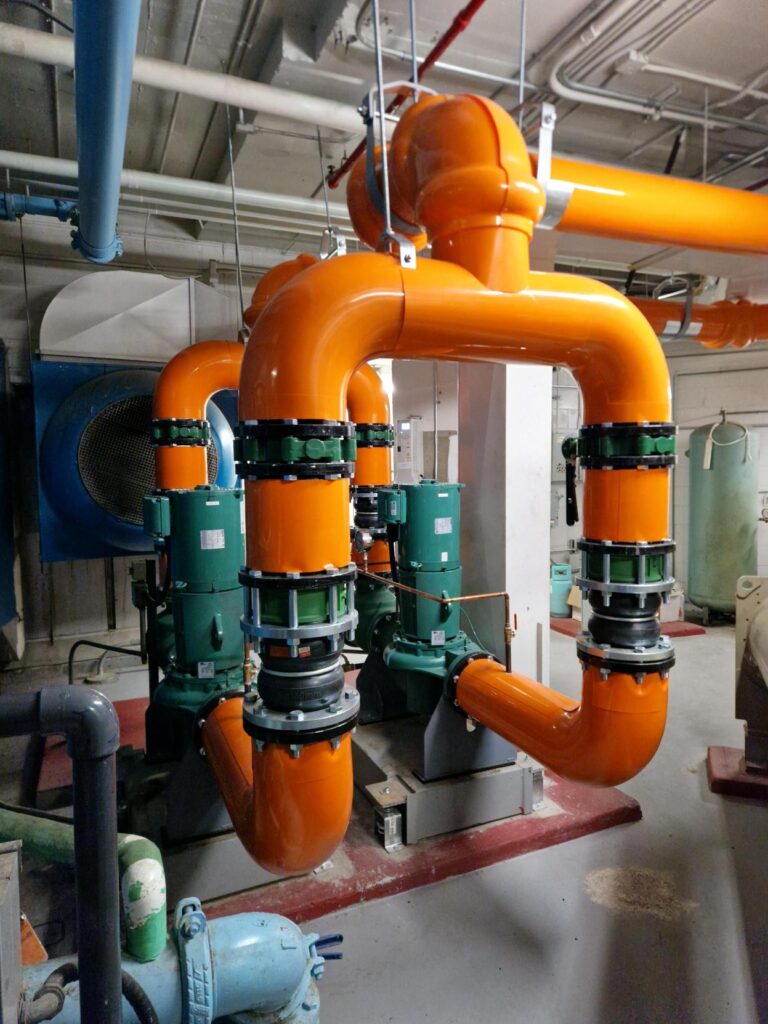
- Limited technical space, four existing chillers, two water towers, an indoor pool, 4 boilers and all accessories required for the smooth operation of the existing plant.
- Maintenance of critical operations in server rooms, without interruption. Work carried out at full occupancy.
Solutions implemented
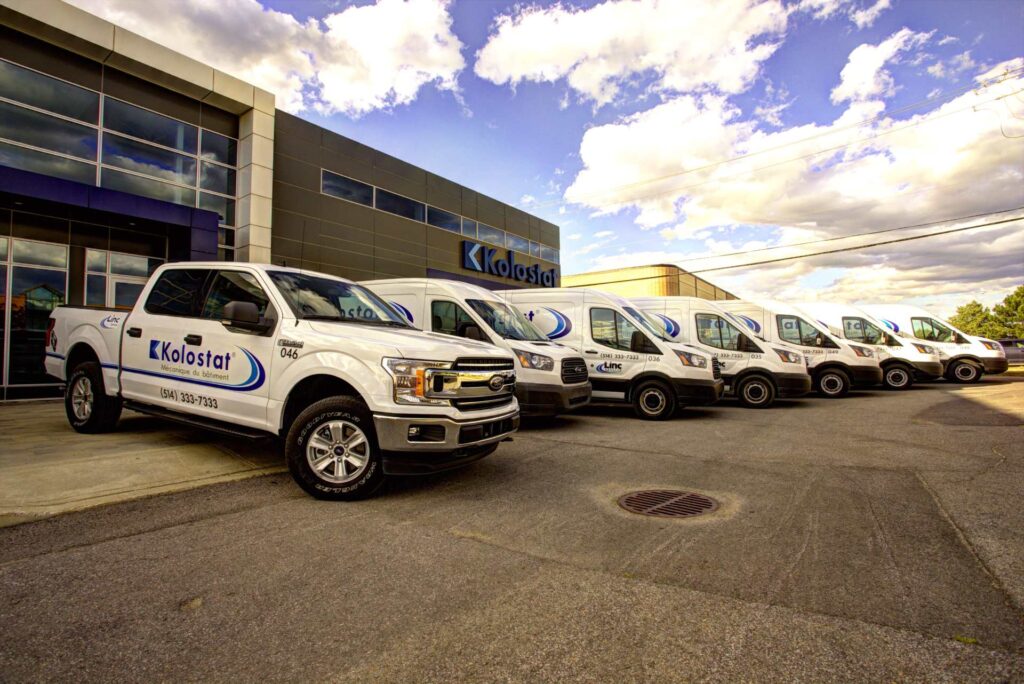
The project was designed and engineered by KROME, Kolostat's energy-efficiency division, under the direction of Antoine Colney, Design Director. Kolostat's teams were responsible for installation, connection and commissioning of the equipment. This internal synergy ensured perfect continuity between design and implementation.
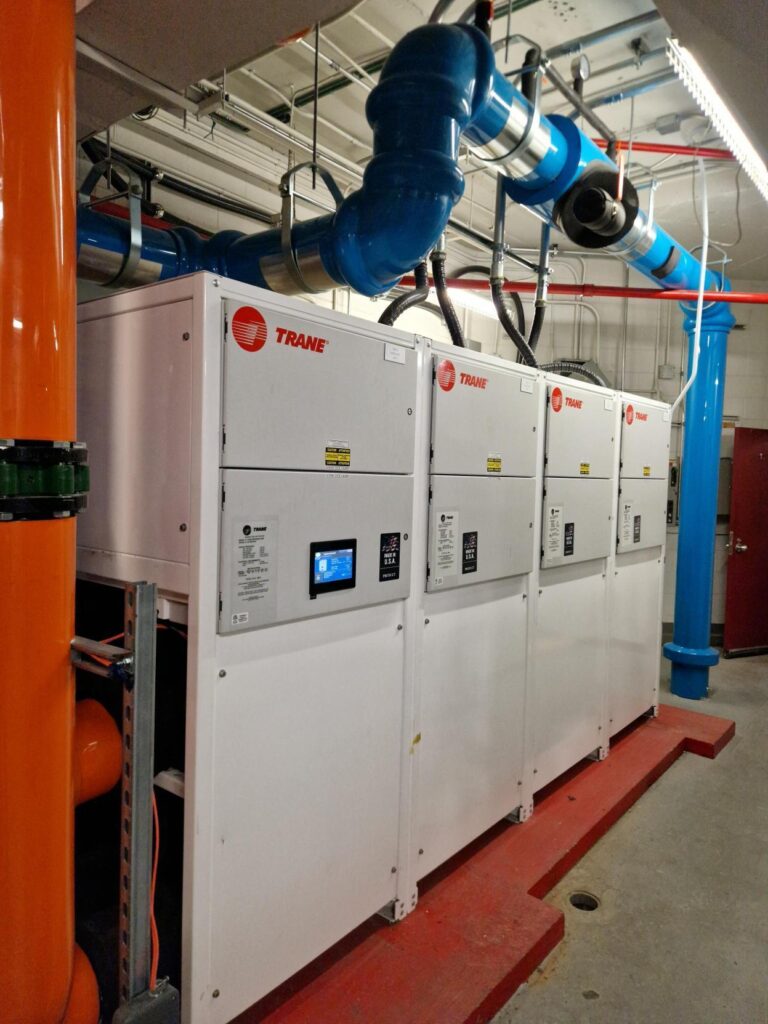
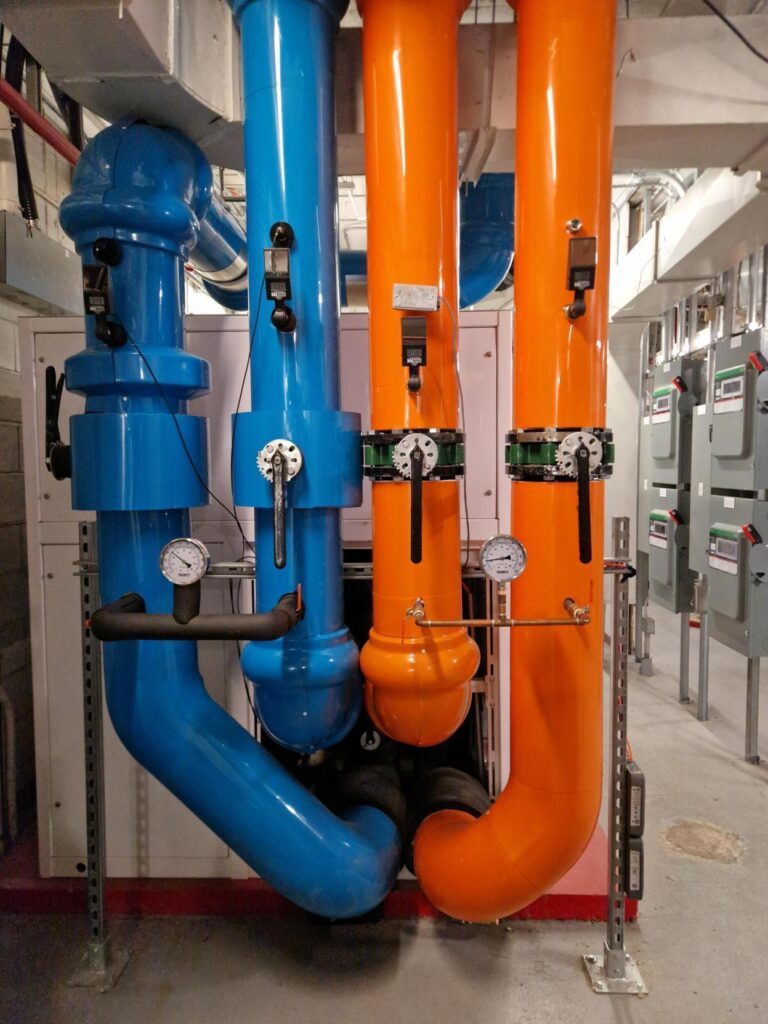
- Addition of heat pumps for heat recovery.
- Optimization of existing controls to maximize recovery throughout the year (setpoint adjustment, reassessment of the suitability of water-system temperature ranges, reassessment of building occupancy ranges and occupancy zones).
- Addition of variable frequency drives (VFDs) to floor ventilation systems, aeraulic balancing of ventilation systems, adjustment of fresh-air dampers, recalibration of pressure probes. These operations were carried out with the aim of optimizing airflow according to actual needs.
- Enrolment in the Power Demand Management (PDM) program and implementation of power-saving measures.
This winter, our teams will be working to further enhance and optimize the PDM strategy. This strategy will enable us to play an active role in power shedding, helping to relieve the electrical grid during critical periods for electricity supplier Hydro-Québec, without compromising the site's comfort or energy performance.
Results after one year
- Natural gas: 80% reduction in GHG emissions (550 tCO₂eq), the equivalent of around 275 transatlantic flights (source: ADEME).
- Electricity: slight drop despite addition of heat pumps.
- Significant reduction in boiler operation.
- Overall energy intensity reduced by 0.25 GJ/m².
These results demonstrate the technical and economic relevance of the measures implemented, and the real potential of heat recovery in high-rise commercial buildings with large glazed areas.
A collective success
This project was made possible thanks to the trust and commitment of our customer, GROUPE MACH, for whom the reduction of GHG emissions from its real-estate assets is a priority. It is also based on close collaboration between our engineers, our various departments and the site's technical operations manager. His involvement enabled us to anticipate every stage of the project with precision. The exceptional work of our in-house Control and Optimization team was also a determining factor in achieving the full performance target right from the first heating season.
In a nutshell
A project where engineering, coordination and innovation came together to deliver a concrete result:
- 80% reduction in gas consumption.
- Significant reduction in GHG emissions.
Proof that urban decarbonization is possible, even in the heart of Montreal. Over the next few years, the mechanical installations in many of Quebec's buildings will reach the end of their service life. Anticipating their replacement is therefore essential if we are to design high-performance, financially-optimized projects truly adapted to the needs of today's occupants.
At KROME and Kolostat, we design, deploy and maintain sustainable, turnkey climate solutions for building owners and managers concerned with energy efficiency and occupant comfort.