

HVAC TRADE · COMMERCIAL PIPING
Commercial HVAC piping — CMMTQ-licensed
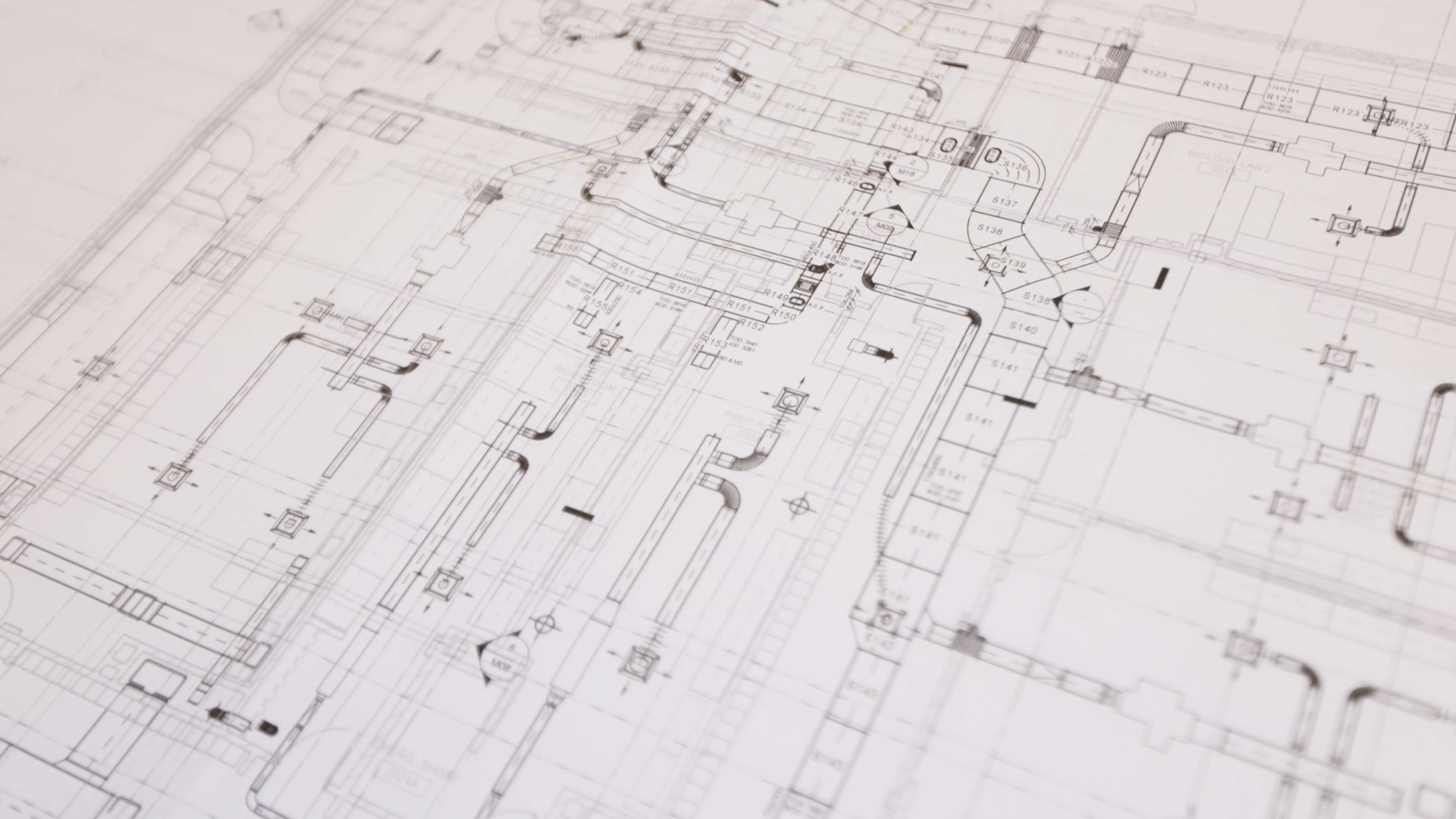
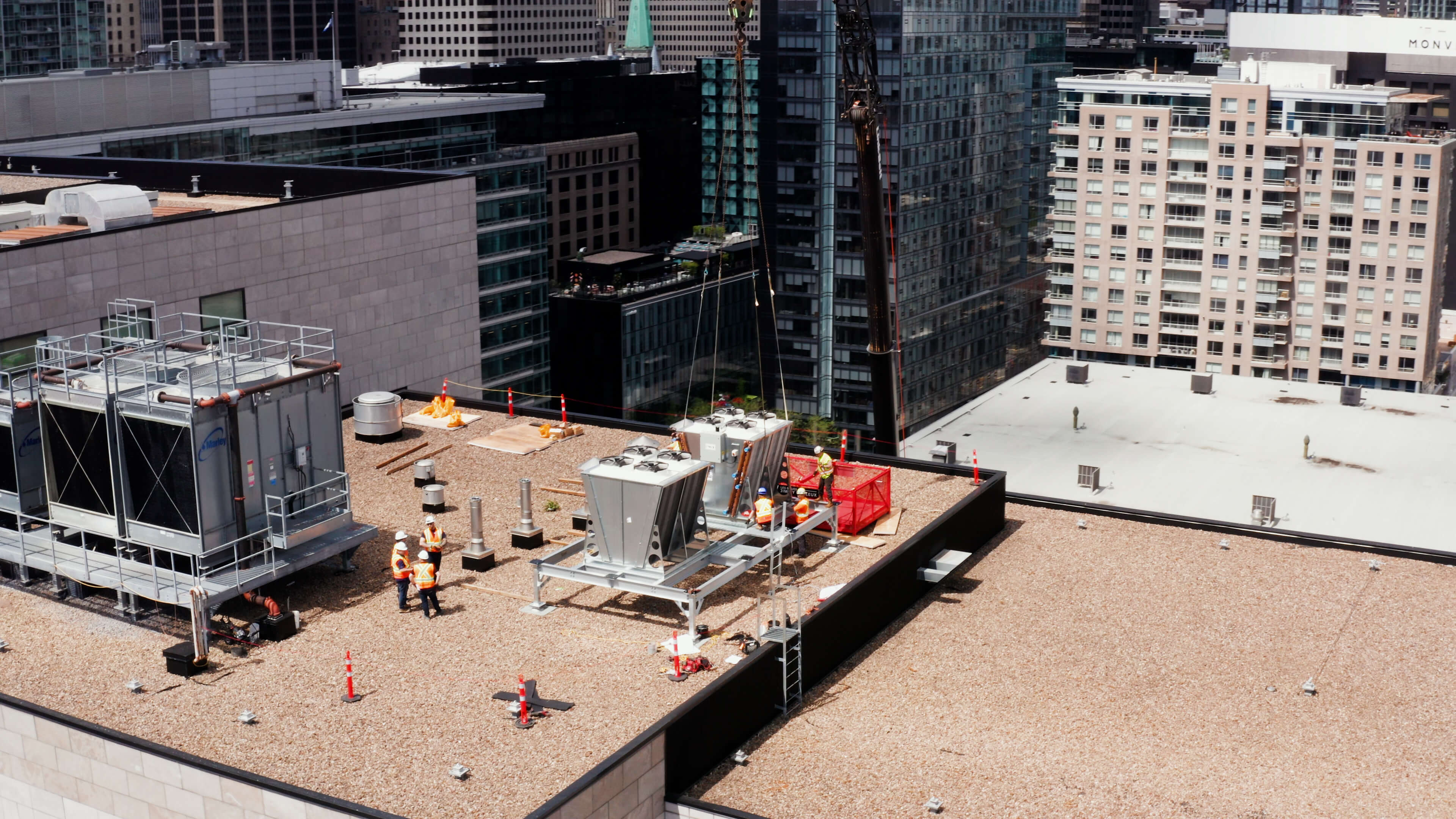
Custom installation of hot-water, chilled-water, steam, glycol, gas, refrigerant, and process piping networks — tailored precisely to the specific needs of your commercial, industrial, or institutional site. Engineered, installed, and pressure-tested under one in-house mechanical team.
- 0+
- Certified specialistsEngineers, designers, draftsmen, control technicians, project managers, and millwrights — under RBQ and CMMTQ licensing.
- 0+
- Projects deliveredMechanical and piping scopes across Canadian commercial, industrial, and institutional buildings since 1927.
- Award-winning
- Piping systemsSpecialized team has designed and installed award-winning piping systems that have saved customers millions of dollars in energy consumption.
What we do for commercial piping
Hot water, chilled water, steam, glycol, gas, refrigerant, process
Custom installation across the full range of mechanical piping — tailored precisely to the specific needs of your industrial, commercial, or institutional sector.
Hydronic and hot-water piping
Custom installation of hot-water distribution networks — boilers, terminal units, pumps, expansion tanks, valves — tailored to the load profile of commercial, industrial, or institutional sites.
Chilled-water piping
Chilled-water distribution for chillers, air handlers, and cooling towers — sized for the operating envelope of office towers, multi-residential, and equipment-dense commercial sites.
Steam and condensate networks
Steam and condensate-return systems for institutional, industrial, and process heat applications — engineered for code-compliant pressure, expansion, and trap layouts.
Glycol systems and gas piping
Glycol loops for low-temperature service, freeze protection, and waste-heat recovery — plus natural-gas piping installed under CMMTQ licensing for commercial and industrial buildings.
Refrigeration and refrigerant piping
Refrigeration and refrigerant piping for chillers and heat-pump systems — installed alongside the mechanical scope, not handed off to a separate refrigeration sub.
Process piping (industrial sites)
Process piping for manufacturing, food, pharma, and agri-food plants — installed inside the same in-house mechanical organisation that runs commercial work, so process and HVAC piping share one schedule.
Why CMMTQ-licensed matters
The mechanical-piping trade is regulated in Quebec
CMMTQ licensing is the regulatory framework that governs piping design, install, and inspection across commercial, industrial, and institutional buildings — and it determines who can legally deliver the work.
Licensed mechanical-piping trade
Kolostat technicians and engineers hold the CMMTQ and RBQ certifications required to design and install piping in commercial, industrial, and institutional buildings in Quebec.
Code-compliant installs, by definition
CMMTQ licensing is the regulatory framework that enforces piping code compliance in Quebec — pressure ratings, material selection, jointing methods, and inspection. Working with a licensed contractor is how regulatory exposure is removed from the owner.
Multi-trade integration under one roof
Piping doesn't live alone on a job. Our in-house team also runs heating, ventilation, air conditioning, and controls — so the piping schedule, install sequence, and commissioning are coordinated with the rest of the mechanical scope, not handed across trades.
Engineered install, pressure-tested, documented
Every piping system is hydrostatic- or pressure-tested per code before commissioning, and the as-built documentation that flows out of the test supports the owner's compliance and ESG audits later.
Connected services
Where commercial piping fits in the broader mechanical scope
Piping rarely lives alone on a project. The five most common adjacencies — design-build, industrial process piping, preventive maintenance, heat-pump refrigerant piping, and inter-building energy loops.
Commercial HVAC design-build
When piping is one trade inside a full mechanical scope — engineering, fabrication, installation, controls, and commissioning under one contract.
Industrial design-build (process piping)
For process piping inside manufacturing, food, pharma, and agri-food plants — engineered around production tolerances and the sanitation rules that apply.
Preventive maintenance (piping inspections)
Piping inspections — pumps, valves, expansion tanks, leak and pressure checks — folded into a multi-trade preventive maintenance contract on the asset list.
Heat-pump retrofit (refrigerant piping)
Refrigerant piping for aerothermal, geothermal, and air-to-water heat-pump conversions — installed by the same crew that runs the hydronic side.
Inter-building energy loops
When piping crosses property lines — campus hydronic loops, district heat networks, waste-heat-to-adjacent-building, snow-melt integration.
Sheet metal fabrication
When the project also needs custom ductwork and assemblies — fabricated in-house alongside the piping scope by the same delivery team.
How we work
Four steps from site walk to commissioned system
Meet
Site walk with a piping engineer — existing networks, materials, pressure class, integration constraints. Free.
Visit
We measure existing piping conditions, loads, routing, and what has to stay live during the work.
Diagnose
Engineering proposal with cost, schedule, material selection, and any grant eligibility on the energy side.
Build
Installation under CMMTQ licensing, pressure-tested per code, commissioned, and documented for as-built handover.
Commercial piping FAQ
What our clients ask before awarding the trade
What does the CMMTQ licence actually cover for piping work?
The CMMTQ (Corporation des maîtres mécaniciens en tuyauterie du Québec) is the licensing body for the mechanical-piping trade in Quebec — heating, ventilation, air conditioning, refrigeration, natural-gas, and process piping. A CMMTQ licence is what authorises a contractor to design and install those networks in commercial, industrial, and institutional buildings, and it carries the code-compliance and inspection framework with it. Kolostat technicians and engineers hold the CMMTQ and RBQ certifications required to deploy safe and sustainable HVAC piping solutions.
When should commercial piping be replaced versus repaired?
Replace-vs-repair decisions are scoped during the engineering assessment phase — based on the condition of the existing system, code compliance, water quality, leak history, and the client's operating horizon. The recommendation is engineered against your building, not asserted from a catalog.
How do you choose the piping material?
Material selection is engineered to the fluid type, pressure class, temperature, water quality, and code requirements for each network — established during the engineering phase of the project, not picked off the shelf.
How is piping pressure-tested before commissioning?
Every piping system is pressure-tested before commissioning — hydrostatic on most water and steam networks, pneumatic where required. Test pressure, hold time, and acceptance criteria are run per the applicable code and project specifications. The work is delivered under CMMTQ licensing, and the test record plus the as-built drawings flow into the project handover documentation.
How does new piping integrate with an existing mechanical system?
Because piping, heating, ventilation, AC, and controls all run inside the same in-house team, tie-ins to existing networks are designed alongside the rest of the mechanical scope — not handed across separate subs. We sequence cutovers around the operating calendar, plan temporary services where the existing loop has to stay live, and coordinate the controls integration so the new piping is visible in the BMS the day it goes into service.
Request a quote
Tell us about your project
Submit right here — a Kolostat engineer will follow up to scope the work. Email or phone is required.
Get started
Have a commercial piping scope?
CMMTQ-licensed, RBQ-certified (1269-6704-94). Hot-water, chilled-water, steam, glycol, gas, refrigerant, and process piping — engineered, installed, pressure-tested, and integrated with the rest of the mechanical scope under one in-house team.