

DECARBONIZE · HEAT RECOVERY
Heat recovery — turn waste into operating savings
Process heat, server-room reject, exhaust air, wastewater, and refrigeration loops — engineered into the heating side of your building. TRÉVI sits in our ASHRAE-recognized portfolio; the engineering team that built it runs every mandate.
- ASHRAE
- Recognized portfolioTRÉVI — Kolostat's waste-heat-recovery mandate sits in the ASHRAE-recognized projects list. Our energy and decarbonization division executes the work.
- 0%
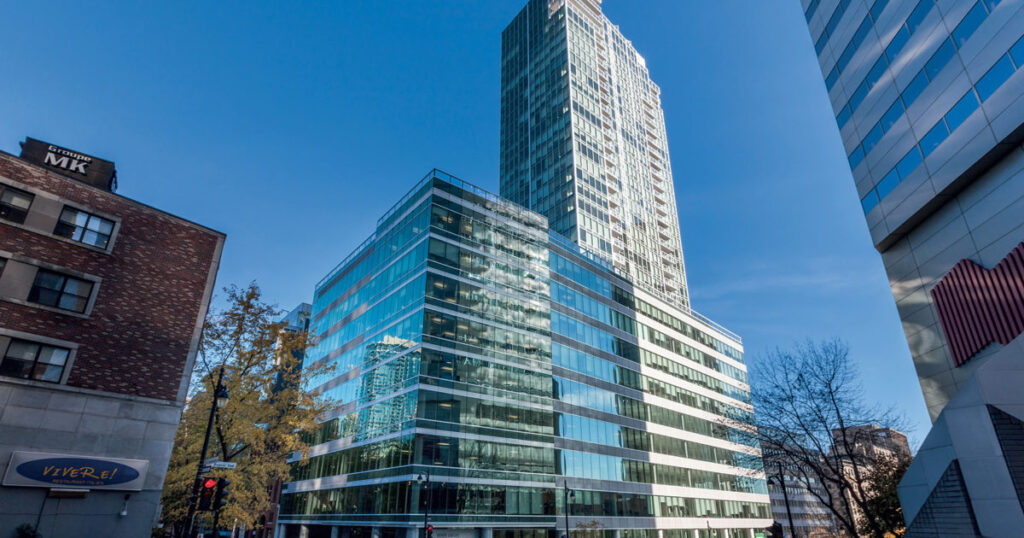
- Gas-use reductionAchieved on a 510,000 sq ft downtown Montréal commercial tower (GROUPE MACH) after our Energy division added medium-temperature heat pumps to recover server-room heat.
- 0 tCO₂e
- GHGs avoided · single projectYear-one verified result on the GROUPE MACH waste-heat-recovery retrofit — equivalent to roughly 275 transatlantic flights (ADEME basis).
Heat recovery applications
Five places we turn reject heat into operating savings
Every building rejects heat somewhere — exhaust louvres, condensers, sewer mains, server rooms, process drains. The mandate is to find every stream, pipe it to a useful load, and prove the savings against a baseline.
Process heat recovery (industrial)
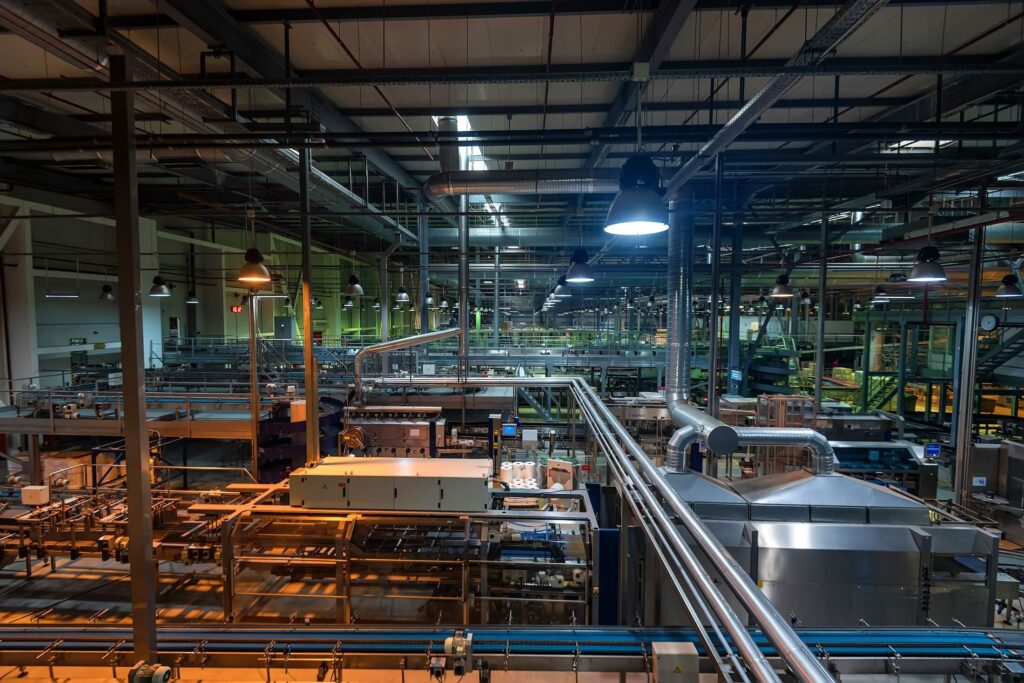
Capture rejected heat from production lines, boilers, compressors, and refrigeration plants and re-route it into process feed, make-up air, or domestic hot water. Industrial projects in the Energy-division portfolio average 38% of project cost in subsidies.
Data-centre & server-room heat reuse
Server rooms produce continuous reject heat — and most of it leaves the building. We add medium-temperature heat pumps that recover it into the heating loop. The downtown Montréal GROUPE MACH retrofit cut natural-gas use 80% on this approach alone.
Ventilation heat recovery (ERV / HRV)
Energy- and heat-recovery ventilators between exhaust and outdoor-air streams — efficiencies up to 90% on the fresh-air heat recovery system delivered at the Épicentre culturel de Laval. Standard scope on commercial, multi-residential, and institutional retrofits.
Wastewater heat capture
Recover thermal energy from sewer mains, process drains, and pool / laundry effluent before it leaves the building. Plate exchangers or wastewater-source heat pumps feed the heat back into domestic hot water and heating loads.
Refrigeration heat recovery
Refrigeration condensers reject continuous heat. We pipe that heat into building heating, hot water, or adjacent process loads — common scope on food, pharma, indoor agriculture, and ice-rink projects, all eligible under ÉcoPerformance.
How it pays back
Grants, gas displacement, operating savings, and tCO₂e on the report
Heat recovery is one of the few decarbonization measures that hits every column of the business case at once — ÉcoPerformance per-tonne payments, Énergir gas-displacement rebates, year-one operating savings, and a hard tCO₂e number for the ESG report.
ÉcoPerformance — heat recovery is a top eligible measure
ÉcoPerformance pays $125/tonne of CO₂eq saved for small/medium consumers (capped at 75% of eligible project cost). Heat recovery from exhaust air or wastewater is named explicitly in the program-eligible measures list — the per-tonne mechanic typically makes it the highest-leverage measure in the dossier.
Énergir for gas-displacement scope
Énergir rebates apply to gas-displacement work, and the joint Énergir / Hydro-Québec / Transition Énergétique Québec dual-energy program can finance up to 80% of the cost surcharge. Heat recovery that backs out boiler load is the canonical gas-displacement measure.
Operating-cost savings, year one
Recovered heat displaces purchased energy. Across the Energy-division portfolio, retrofits have unlocked $9M in annual recurring energy savings. The GROUPE MACH commercial-tower mandate dropped energy intensity by 0.25 GJ/m² in the first year of operation alone.
ESG and tCO₂e accounting in the report pack
Decarbonization across the Energy-division portfolio avoids 55,000 tonnes of CO₂e annually. We instrument every project with energy-accounting tools and dashboards so the avoided-emissions figure feeds straight into the ESG report — no spreadsheets in between.
Featured project
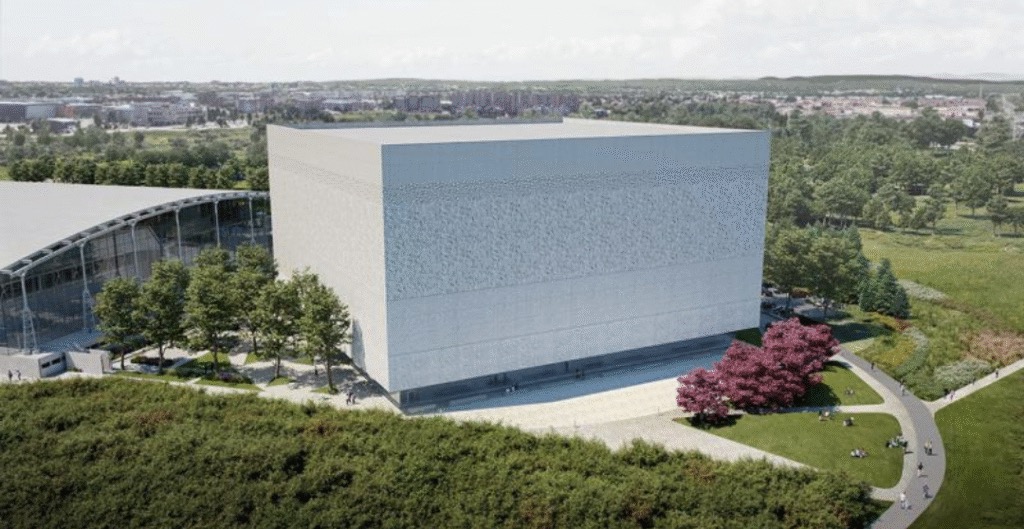
TRÉVI — in our ASHRAE-recognized portfolio
TRÉVI is a waste-heat-recovery mandate Kolostat lists in its ASHRAE-recognized projects portfolio on the About page.
TRÉVI — ASHRAE-recognized waste heat recovery
TRÉVI sits in the ASHRAE-recognized projects list Kolostat publishes on its About page — a documented waste-heat-recovery mandate.
Where it sits in the track record
TRÉVI is one of the projects behind the 55,000 tonnes of CO₂e avoided annually across work led by our Energy division. The same engineering team — audit, design, controls, commissioning — handles every heat-recovery mandate from feasibility through performance reporting.
How we work
Four steps from heat-source inventory to verified savings
Heat-source inventory
Free preliminary visit and diagnosis. We walk the plant and map every reject-heat stream — process, refrigeration, exhaust, server rooms, wastewater — against your heating demand profile.
Recovery design — engineered to grant rules
Run-around loops, plate exchangers, medium-temperature heat pumps, multi-building energy loops. Designed so the eligible-measure boundary matches ÉcoPerformance and Énergir application criteria from day one.
Turnkey build — design and installation under one roof
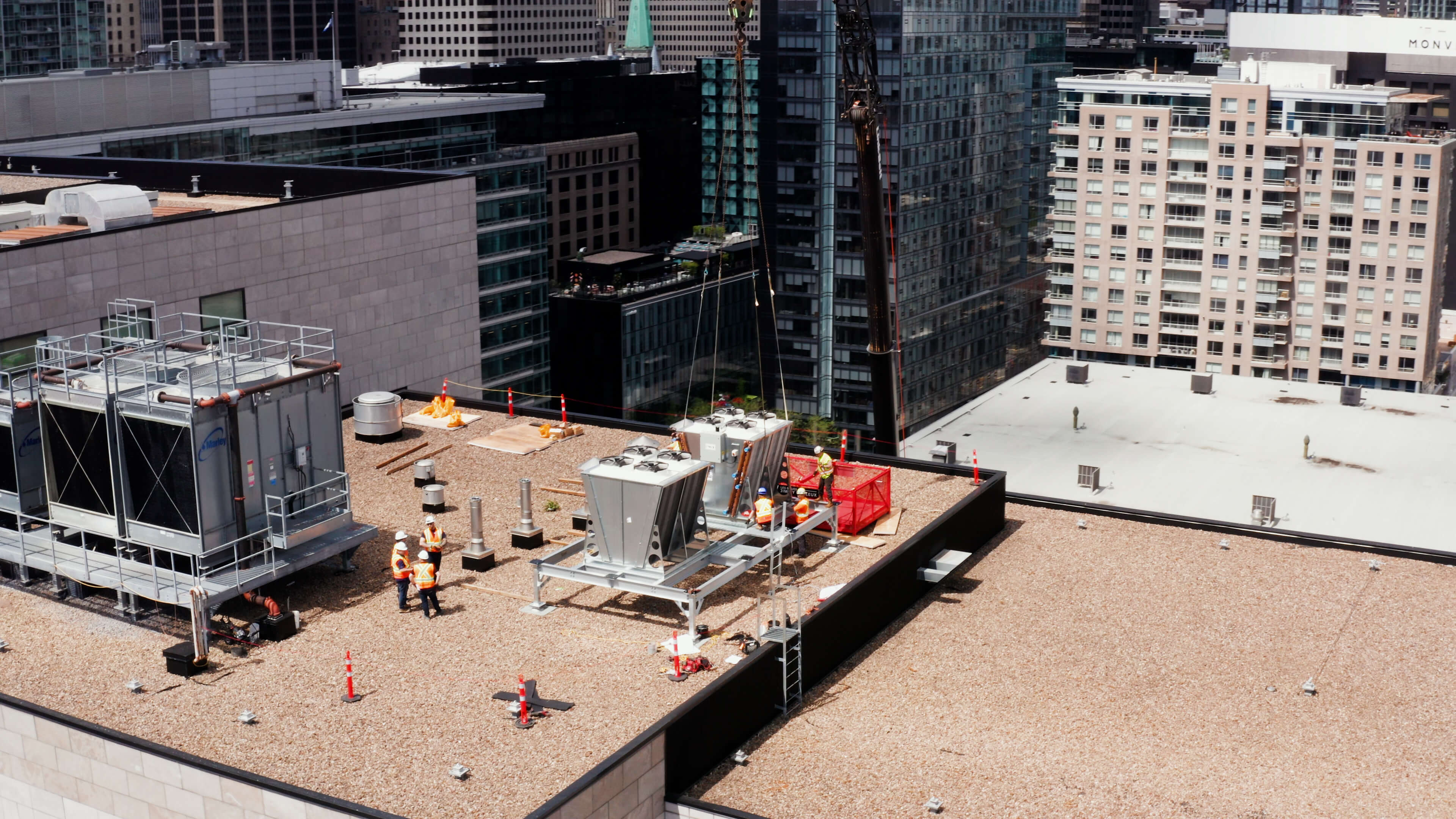
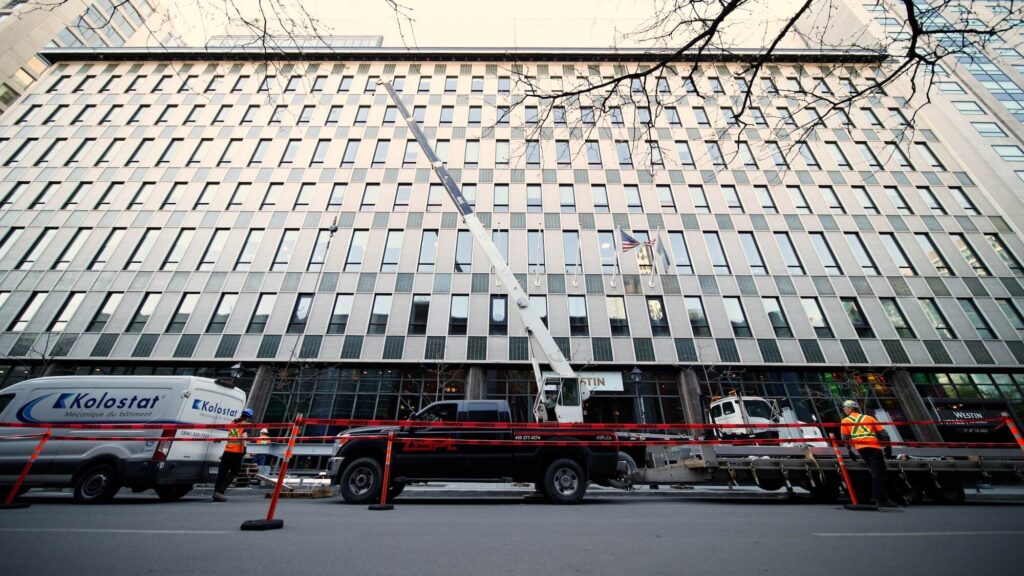
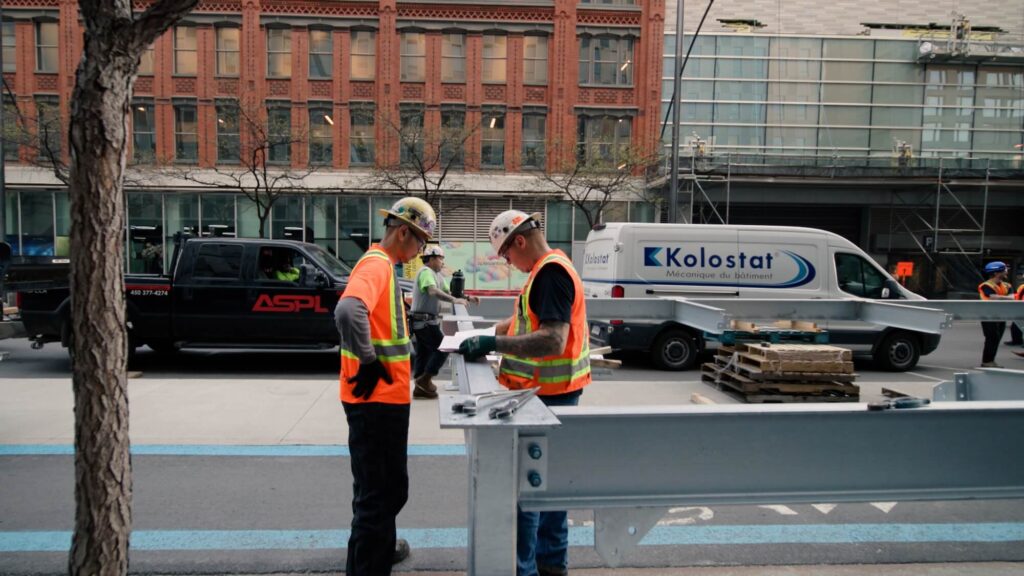
Our Energy division engineers the recovery system; Kolostat installs, connects, and commissions it. Demonstrated on the GROUPE MACH retrofit: full operations maintained, 300+ feet above ground, no craning, work delivered at full occupancy.
Grant capture and performance monitoring
Application and reporting on ÉcoPerformance, Énergir, and Hydro-Québec dossiers. Energy-accounting dashboards measure recovered heat against the baseline — the same data feeds program reporting and your ESG audit.
Heat recovery FAQ
What facility directors ask before they commit
Where does heat recovery actually make sense?
Anywhere there is a continuous reject-heat stream and a coincident heating demand on the same site. The strongest cases we see are buildings with large server-room loads (the GROUPE MACH commercial tower cut gas consumption 80% on a server-room-heat retrofit), facilities with constant process or refrigeration loads, and ventilation systems where a 90%-effective ERV / HRV pays back quickly. The first step is a heat-source inventory — that tells you which streams are worth the capital.
What's the typical payback period?
It depends on the heat-source quality and the host sector. The ÉcoPerformance Implementation grant is sized to cap the post-grant simple payback at 5 years for institutional sites, 3 years for commercial, 2 years for industrial small/medium consumers, and 1 year for industrial large consumers. We model the unfunded and grant-funded paybacks side by side before any commitment — heat recovery is one of the measures where the grant routinely makes the math work.
Can it be retrofitted into an existing plant?
Yes — most of our heat-recovery work is retrofit. The GROUPE MACH project is the proof: limited technical space alongside four existing chillers, two water towers, an indoor pool, and four boilers; main mechanical room 300 feet above ground with no craning option; critical server-room operations maintained without interruption; work performed at full occupancy. The discipline is in the staging plan — not in whether it can be done.
Which grants apply to heat-recovery projects?
Heat recovery is named explicitly in the ÉcoPerformance eligible-measure list — both as an energy-consumption measure and as process improvement on industrial sites. ÉcoPerformance pays the lowest of (i) 75% of eligible cost, (ii) the per-tonne rate ($125 small/medium, $40 large, $50 large with ISO 50001), or (iii) the payback-cap formula. Énergir co-funds gas-displacement scope, and the joint Énergir / Hydro-Québec / Transition Énergétique Québec dual-energy program can finance up to 80% of cost surcharges. We stack them in the same application.
How do you integrate heat recovery with our existing controls and equipment?
Recovery only works if the control sequences let it work. On the GROUPE MACH retrofit we paired the new heat pumps with a controls optimization — setpoint adjustment, reassessment of water-system temperature ranges, recalibration of occupancy zones, VFDs on floor ventilation — so the recovery ran every shoulder hour, not just on design days. The same Energy-division-plus-Kolostat team handles the BMS programming, the mechanical integration, and the commissioning. One contract, unified responsibility.
How is ROI calculated and verified?
Against a documented baseline. We pull at least twelve months of utility and BMS data before any retrofit work starts, define the measurement boundary, and meter the recovered-heat streams. After commissioning, the dashboards reconcile recovered energy and avoided gas / electricity against that baseline — that's how the GROUPE MACH project reported 80% gas reduction, 550 tCO₂eq avoided, and a 0.25 GJ/m² intensity drop in year one. The same numbers satisfy program reporting under ÉcoPerformance.
Request a quote
Tell us about your project
Submit right here — a Kolostat engineer will follow up to scope the work. Email or phone is required.
Get started
Find the reject-heat streams worth recovering
Free preliminary visit, no-cost diagnosis. An Energy-division engineer will walk your plant, inventory the heat sources, and put a grant-funded payback figure on the table before you commit to anything.