

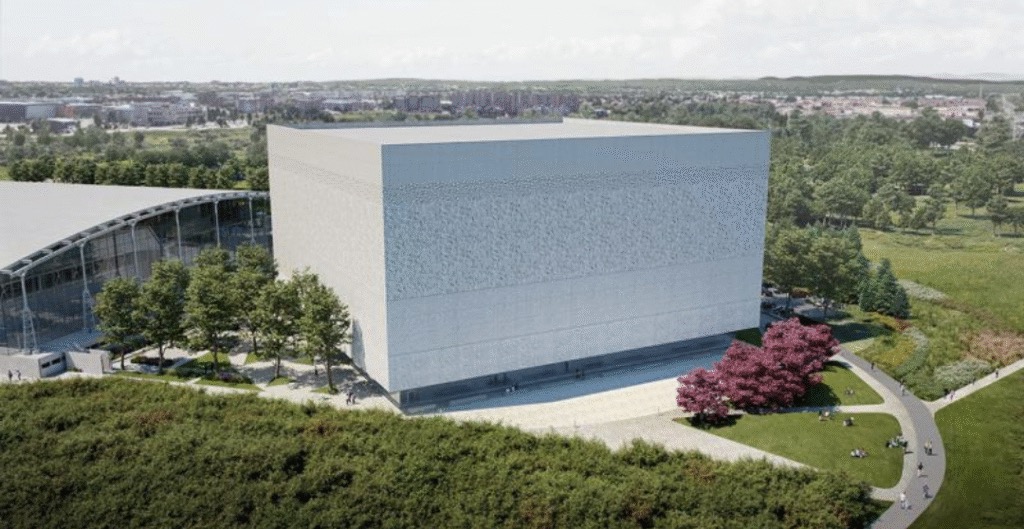
DECARBONIZE · ENERGY LOOPS
Share heat between buildings on a shared thermal network
Inter-building energy loops turn one building's reject heat into another's useful heat — engineered for campuses, mixed-use developments, and adjacent-asset portfolios. Kolostat's Energy division runs feasibility through commissioning.
- $0M
- In grants securedTotal grants Kolostat's Energy division has secured for clients across past energy-optimization mandates.
- 0%
- Of project cost in subsidiesAverage subsidy share across the past portfolio — commercial, industrial, multiresidential, and horticulture combined.
- $0M
- Annual recurring savingsTotal annual energy savings unlocked for past clients — recurring, post-implementation.
What an energy loop does
Reject heat from one building becomes useful heat in another
A shared thermal network engineered around the actual load profile of a portfolio — not a catalog plant for each building taken in isolation.
Recover heat that is already being rejected
Cooling rejection from one building, server room, or industrial process becomes useful heat next door — instead of being dumped to outside air. The loop is the carrier.
Balance heating and cooling across the portfolio
When summer cooling reject and winter heating demand are engineered as one network, the central plant is right-sized — not over-sized — and operating costs fall over the long term.
Displace fossil-fuel boilers across the network
Connecting buildings to a shared loop lets electrification and energy recovery do more work — and reduces the count of gas-fired boilers spread across a campus or portfolio.
Make the most of local energy resources
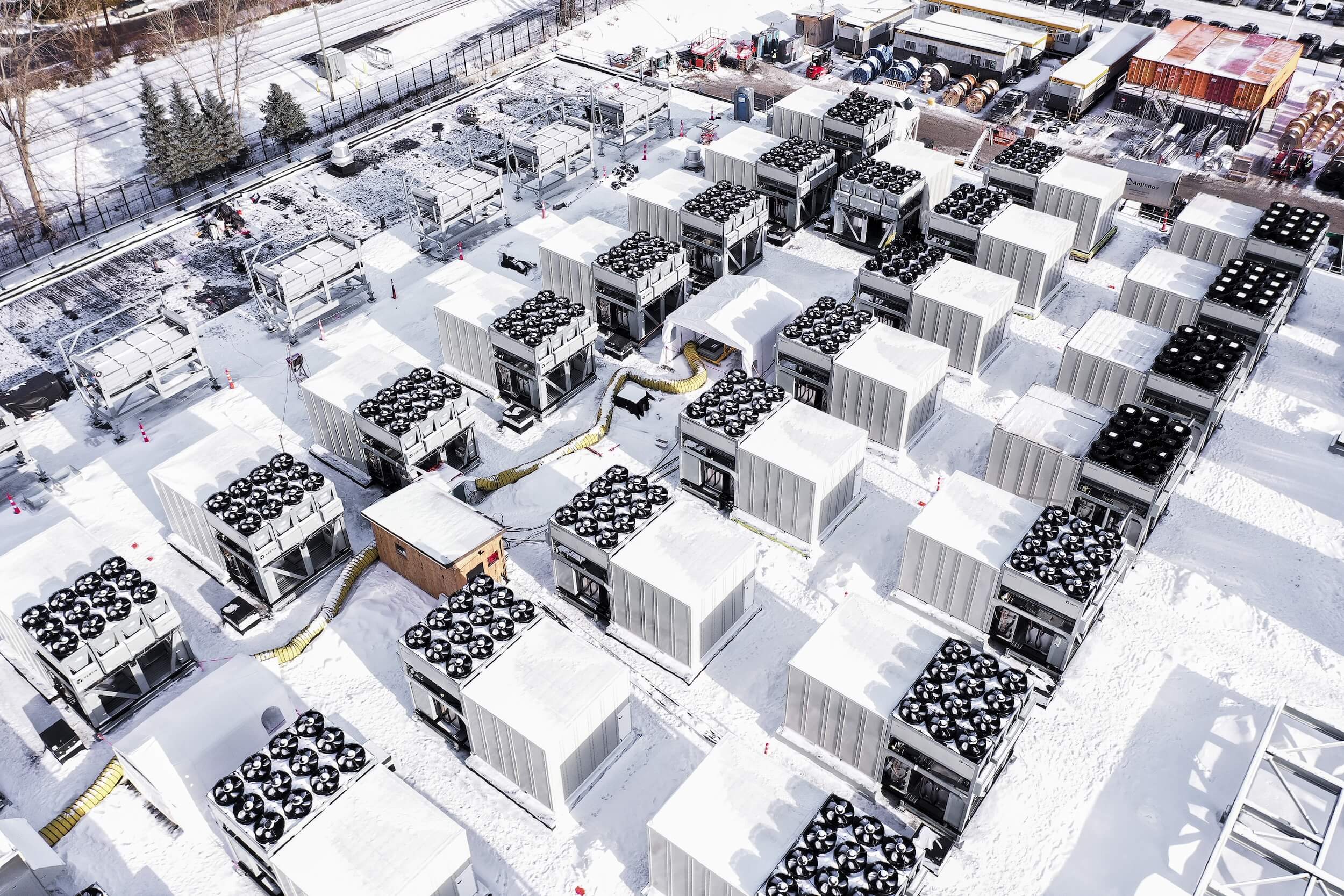
Heat-pump platforms paired with ongoing energy-management strategies turn locally available thermal sources — geothermal, sewer heat, process exhaust — into the loop's primary fuel.
Who it's for
Where energy loops fit
Multi-building owners with simultaneous heating and cooling loads, mixed-use developments, and campus operators converting away from fossil-fuel district plants.
University and hospital campuses
Multi-building campuses with simultaneous heating and cooling loads — student housing, labs, hospital wings — are the textbook case for a shared thermal network.
Multi-building commercial properties
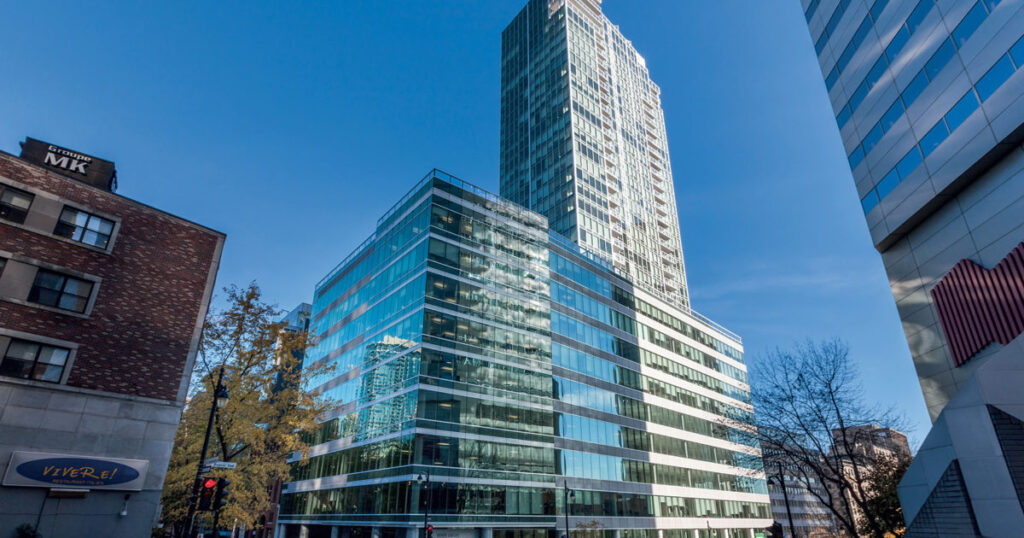
Office portfolios, mixed-use developments, and adjacent commercial assets where one building's reject heat can become another's domestic-hot-water or perimeter-heating supply.
Industrial parks with adjacent processes
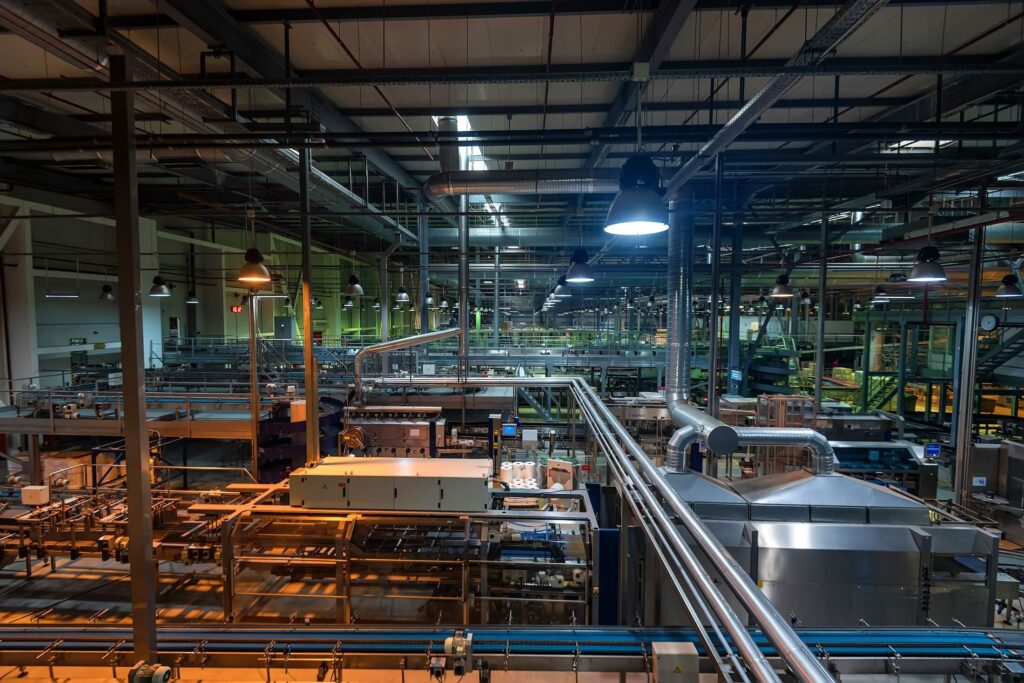
Adjacent industrial processes generate high-grade waste heat that, on its own, gets vented. Looped to neighbours, it becomes a recurring operating-cost line item — on the credit side.
District-heating conversions
Legacy fossil-fueled district plants converting toward decarbonized networks — heat pumps, recovery, and renewables sized for the existing distribution backbone.
How we deliver
A multi-year engineering effort, phased to deliver savings early
Energy loops are not catalog products. They are integrated engineering projects — and we acknowledge the complexity in how we sequence the work.
Feasibility study
Detailed energy audit of every building in scope, mapping simultaneous heating and cooling loads. We deliver the technical and financial scenarios — you choose which measures to implement.
Hydronic loop and central-plant design
Right-sized central plant, distribution piping, heat-pump and heat-exchanger specification. We design for the load profile — not the catalog default.
BMS and controls integration
Loop temperatures, flow, and switchover logic integrate into the building management systems — one set of controls, one set of energy dashboards, across every connected building.
Phased connection of buildings
Loops are rarely built in one shot. We engineer the sequence so the network delivers savings on the first connected buildings while the rest of the portfolio is brought online.
Measurement, verification, and ongoing balancing
We instrument the loop and deliver energy accounting dashboards that prove operating-cost and carbon-emission reductions — validated by transparent audits, balanced over time.
How we work
Four phases — feasibility to ongoing balancing
Feasibility study
Energy audit of every building in scope, load-profile mapping, and the technical-and-financial scenarios that frame the rest of the project.
Engineering and vendor selection
Loop and central-plant design, equipment specification, vendor selection — engineered for the load profile, not assembled from a catalog.
Phased construction
Buildings are connected in a sequence engineered to deliver savings early — and to keep occupied buildings running through every phase.
Commissioning and ongoing balancing
Loop commissioning, dashboard handover, and the balancing work that keeps a multi-building network operating at design intent over the long term.
Energy loop FAQ
What multi-building owners ask before engaging
What is an inter-building energy loop?
An energy loop is a shared hydronic network connecting multiple buildings on a campus or district so that one building's reject heat — from cooling, refrigeration, or process — becomes another building's useful heat. Combined with central heat pumps and heat recovery, it lets a portfolio cover most of its thermal demand from sources it already has, rather than burning gas in every basement.
When does an energy loop make sense?
Energy loops pay off when there are simultaneous heating and cooling loads in adjacent buildings, when a portfolio has multiple gas-fired plants nearing end of life, or when a campus or district owner controls enough adjacent buildings to build the distribution backbone economically. We size and validate the case in the feasibility study before any equipment is specified.
Does this only work in new construction, or can existing buildings be retrofitted?
Both. New developments are the simpler case — the loop is built into the site civil works. Existing buildings can also be connected through a phased retrofit; we engineer the sequence so occupied buildings keep running and the first connected buildings deliver savings while the rest of the portfolio is brought online.
Are energy loops eligible for grants?
Yes. Loop projects that demonstrably reduce GHG emissions from fossil-fuel combustion qualify under Quebec's ÉcoPerformance program, which can fund up to 75% of eligible project cost. The dual-energy program offered jointly by Énergir, Hydro-Québec, and Transition Énergétique Québec funds up to 80% of project surcharges on qualifying conversions. Kolostat's Energy division runs the full grant path — eligibility review, design optimization, application management, and post-implementation reporting.
What payback horizon should we plan for?
Energy loops are longer-cycle projects than a single-building retrofit, and the payback depends heavily on the grant envelope captured during design. On the past portfolio, projects averaged 33% of total project cost in subsidies and unlocked $9M in annual recurring savings across clients — we model the specific payback for your portfolio as part of the feasibility study, before any equipment is specified.
Feasibility study
Discuss your shared energy network
Tell us about the buildings, loads, and ownership structure. An Energy-division engineer will assess whether a shared thermal network warrants a feasibility study.
Get started
Talk to an Energy-division engineer about your portfolio
Energy loops start with a feasibility study, not a quote. Tell us about the buildings in scope and we will tell you whether a shared thermal network is the right move — and what grants would apply.