




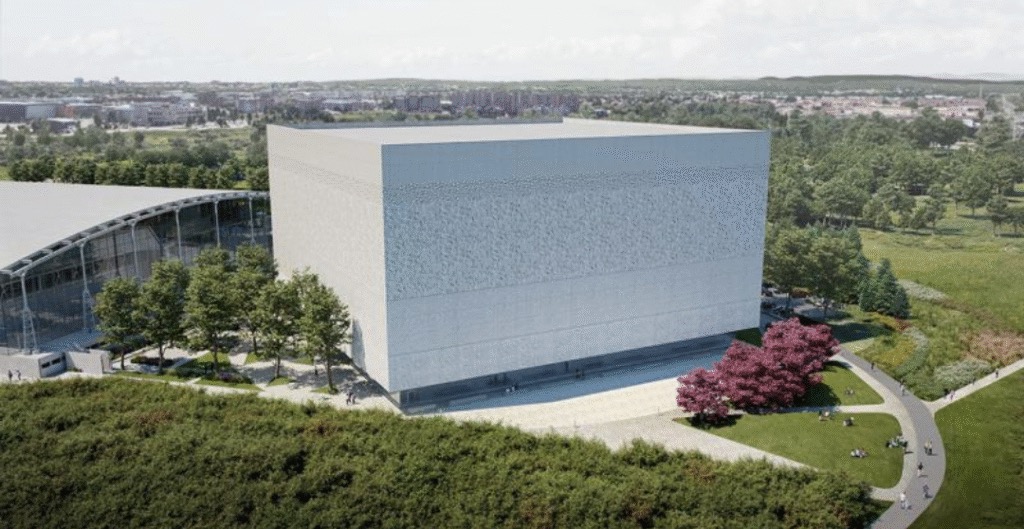
OPTIMIZE
Cut energy 25–50% on the buildings you already own
Across Canada, we re-engineer end-of-life HVAC into a profitable asset. Audit, controls tuning, heat recovery, and M&V — and in Quebec, most projects qualify for grants of up to 75%.
Trusted by














- Up to 50%
- Energy savings achievedOn optimization and re-engineering projects
- $59M
- Cumulative grants securedÉcoPerformance, Énergir, Hydro-Québec, NRCan
- 5×
- BOMA Energy Challenge winnerOur Energy division — five consecutive years (2021–2025)
Energy efficiency in action
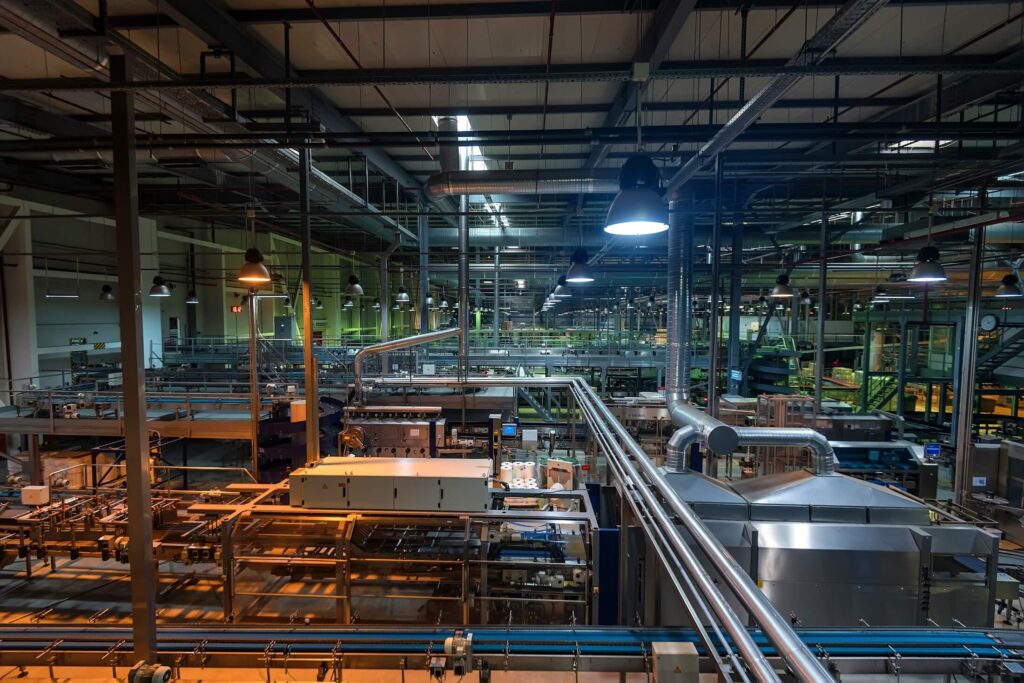
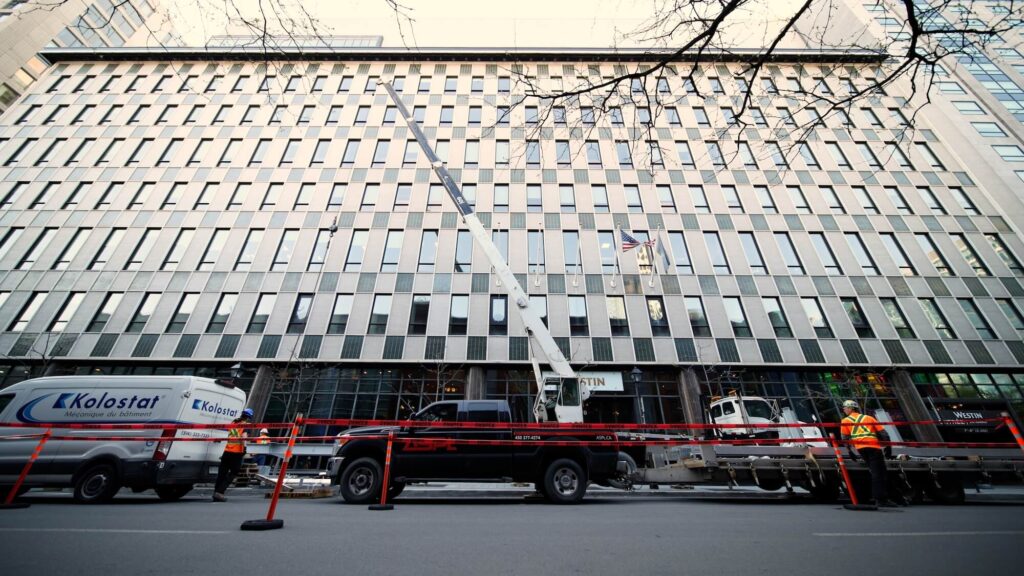
Inside a Kolostat energy-efficiency retrofit.
How we find the savings
A method built for capex-light, opex-heavy retrofits
Replacement is the expensive option. We diagnose what's actually wrong, re-engineer the systems that matter, and instrument the savings so they hold up in audits.
Audit
Site walk, meter data, and load analysis. Our engineers benchmark every system against its real operating profile.
Re-engineer
Heat recovery, electrification, VFDs, demand-driven ventilation, thermal storage. We design for your loads, not catalog defaults.
Tune controls
BMS and WebCTRL® recommissioning, fault detection, automated diagnostics — keep or replace your existing platform.
Measure & verify
Dashboards from day one. Measurement and verification documents the savings — for grant audits and ESG reporting.



Performance contracts
Savings, guaranteed in writing.
For enterprise portfolios across Canada, we structure optimization as a guaranteed energy performance engagement. Our team runs measurement and verification, monitors results, and holds the engagement to the number. If the savings don't show up in the meter data, we own the gap.
- CMVP-certified professionals on the team
- Documented baseline and ongoing M&V reporting
- Interactive dashboards tied to your BMS
- Aligned with ESG and grant-audit requirements
Where the money comes from
Optimization is the most grant-eligible HVAC work you can do
In Quebec, energy retrofits typically meet the eligibility criteria of the major provincial programs — stacked, they can largely pay for the project before the first invoice.
See all grant programsÉcoPerformance
Up to 75% of eligible cost under the applicable formula. Standard and complex analysis caps vary by consumer class.
Énergir
Up to $1 per m³ of natural gas saved in the first year after implementation, up to $1M per account, subject to current program criteria.
Hydro-Québec
Rebates on electric retrofits, heat pumps, controls, and efficiency measures for commercial and institutional sites.
NRCan + Écoleader
NRCan funds ISO 50001 energy-management projects (up to $40K/building). Écoleader funds studies and clean-tech implementation — stackable with Quebec provincial grants.
How we work
Four steps from audit to verified savings
Audit
Energy audit and load analysis. Free preliminary diagnostic.
Engineer
Technical and financial scenarios with grant eligibility mapped.
Implement
Controls upgrade, mechanical retrofit, electrification — one team.
Verify
M&V tracking, performance reporting, and follow-up tuning.
Where this leads
The service spokes behind this solution
BMS & controls optimization
WebCTRL®, Automated Logic, and recommissioning of your existing platform — keep what works, fix what doesn't.
Guaranteed energy performance
Performance-based contracts with M&V monitoring. Savings are documented, not estimated.
Grants & financing
Up to 75% of eligible cost grant-financed on qualifying Quebec projects. We handle eligibility, applications, and reporting.
HVAC capabilities
Where optimization actually lives
Optimization is rarely one big move — it's the right combination of controls, recovery, heat pumps, and airflow tuning on top of the systems you already own.
Frequently asked
The questions facility directors ask before signing
How do you guarantee energy savings?
We structure projects as guaranteed energy performance engagements. Our team includes CMVP-certified professionals who track results against a documented baseline and report against meter data. If the savings don't show up, the engagement holds us to the number.
Will you replace my BMS or work with what we have?
Both. We work on the Automated Logic / WebCTRL® platform and stay technology-neutral on integration. Most optimization projects keep the existing BMS, fix the configuration, and add fault detection — recommissioning costs a fraction of a full replacement and is grant-eligible under ÉcoPerformance.
Which grants does ÉcoPerformance cover for an optimization project?
ÉcoPerformance can support analysis and eligible implementation measures under its July 2026 framework. Rates and caps vary by project stream and consumer class; heat recovery, electrification, and controls measures may qualify, while the former dedicated RCx stream has been removed.
How is measurement and verification done?
We establish a baseline from your operating data, define a measurement boundary, and report against meter data on a regular cadence. Results flow into interactive dashboards that feed your ESG reporting directly.
How does grant financing change the payback?
In Quebec, with up to 75% of eligible project cost financed through ÉcoPerformance and co-programs — plus up to $1 per m³ of gas saved through Énergir, subject to current criteria, and Hydro-Québec rebates on electric measures — most optimization projects are largely self-financed by operating savings and grants combined. We map every program your building qualifies for before pricing the work.
Can you work in an occupied building without disrupting tenants?
Yes — most optimization work happens during normal operations. Controls upgrades are software-side. Mechanical retrofits are sequenced around occupancy and scheduled during low-load periods. We have delivered projects in commercial, institutional, and mission-critical buildings without disrupting occupants.
Request a quote
Tell us about your project
Submit right here — a Kolostat engineer will follow up to scope the work. Email and phone are required.