


GRANTS · ÉCOPERFORMANCE
ÉcoPerformance — up to 75% of your HVAC project funded
Quebec's flagship energy program funds analysis (50% of audit costs), implementation (up to 75% of eligible cost or $125/tonne CO₂eq), and follow-up reporting. Our Energy division manages the entire path.
- Up to 0%
- Of eligible project costÉcoPerformance Implementation component caps total public funding at 75% of eligible cost from all sources combined.
- $0K
- Audit funding capAnalysis component covers 50% of audit costs — up to $100K per site (small/medium) or $300K per site (large consumer).
- $0
- Per tonne of CO₂eq savedImplementation rate for small/medium consumers. $40/tonne for large consumers; $50/tonne with ISO 50001 certification.
How ÉcoPerformance works
Two components — Analysis, then Implementation
ÉcoPerformance is funded through Quebec's Green Fund and administered by Transition Énergétique Québec. It pays for the study first, then funds the measures themselves under a defined lowest-of-three formula.
Analysis component — 50% of audit costs
Subsidizes 50% of the cost of an energy analysis, up to $100,000 per site for small/medium consumers and up to $300,000 per site for large consumers. This is the entry point — and the same study can shape the implementation application.
Implementation component — lowest of three
Funds GHG-reduction measures. The grant equals the lowest of: (1) the amount bringing total grants from all sources to 75% of eligible cost; (2) the fixed amount that caps payback at 5 years (institutional), 3 years (commercial), 2 years (industrial small/medium) or 1 year (industrial large); (3) $125/tonne of CO₂eq saved — small/medium consumers ($40/tonne large; $50/tonne large with ISO 50001).
What ÉcoPerformance funds
Energy consumption, production, and process improvement
The program finances measures that reduce GHGs from combustion of fossil fuels or fugitive releases — across consumption, production, and process scopes.
Energy-consumption measures
HVAC retrofits, heat-recovery, building-envelope improvements, controls — any measure that cuts fossil-fuel use and the GHGs that come with it.
Energy-production measures
On-site renewable generation, geothermal, aerothermal, and waste-heat-to-energy systems that displace fossil-fuel combustion at the source.
Process improvement
Industrial process retrofits — heat-recovery loops, boiler reengineering, refrigeration optimization. Industrial mandates have averaged 38% of project cost in subsidies on past portfolios.
Conversion away from fossil fuels
Sites converting from fossil fuels — heat pumps, electric boilers, dual-energy systems — qualify under ÉcoPerformance, and the feasibility study itself can be grant-subsidized.
Who qualifies
Commercial, institutional, and industrial sites in Quebec
ÉcoPerformance is open to fossil-fuel consumers in the business community operating on Quebec soil — and to sites converting away from them. Pick your asset class to see the sector approach.
Commercial buildings
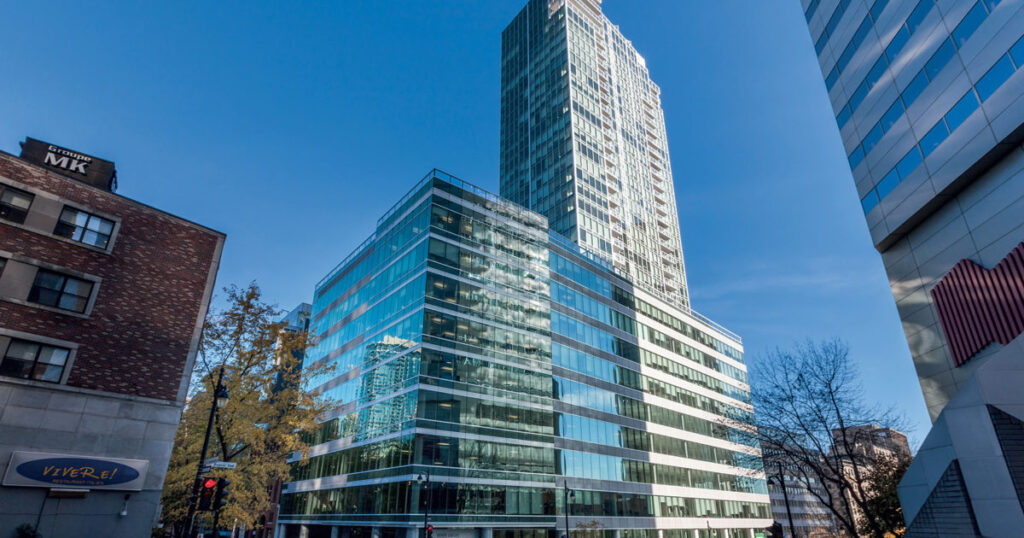
Office towers, multi-residential, mixed-use, retail — fossil-fuel-heated assets and electrification candidates. Implementation payback cap: 3 years.
Institutional sites
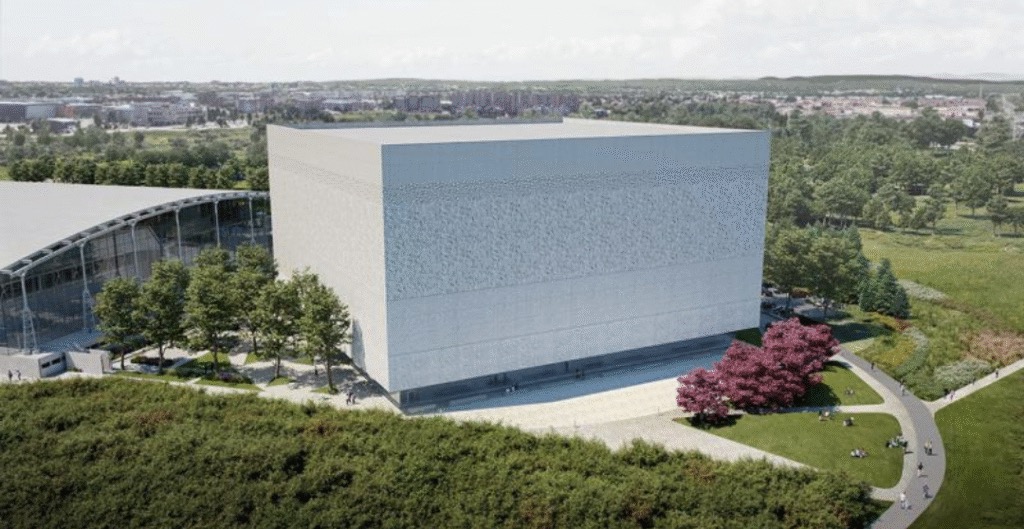
Hospitals, universities, school boards, government buildings, archives. Most generous payback cap on the implementation grant: 5 years.
Industrial & manufacturing
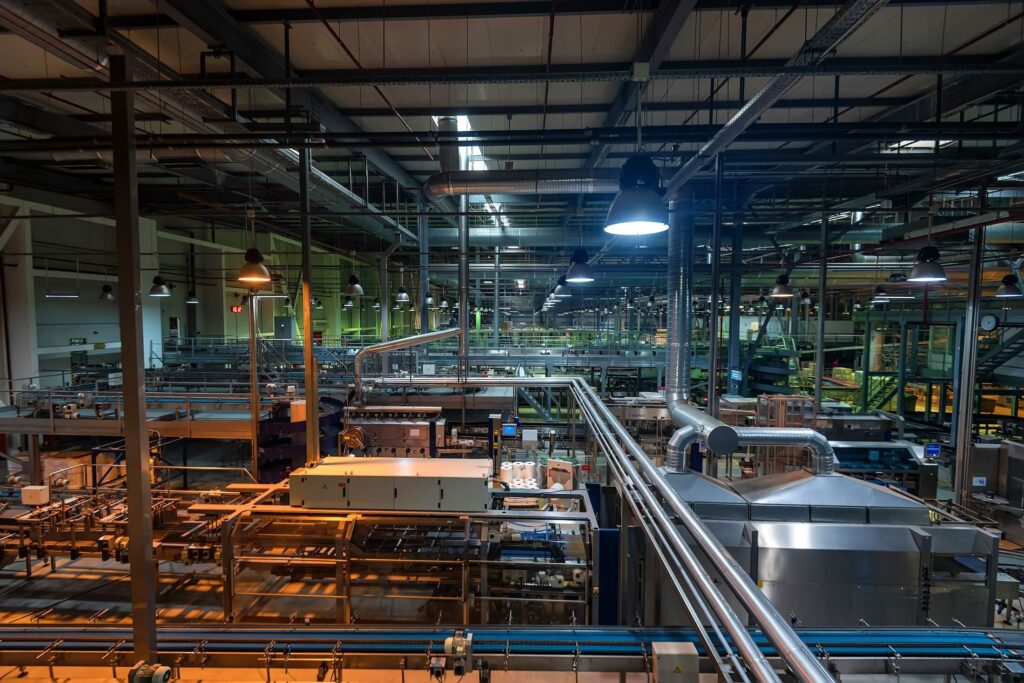
Manufacturing, food, pharma, agri-food. Payback caps: 2 years (small/medium consumers) or 1 year (large consumers). $50/tonne rate available with ISO 50001 certification.
Mission-critical & data centers
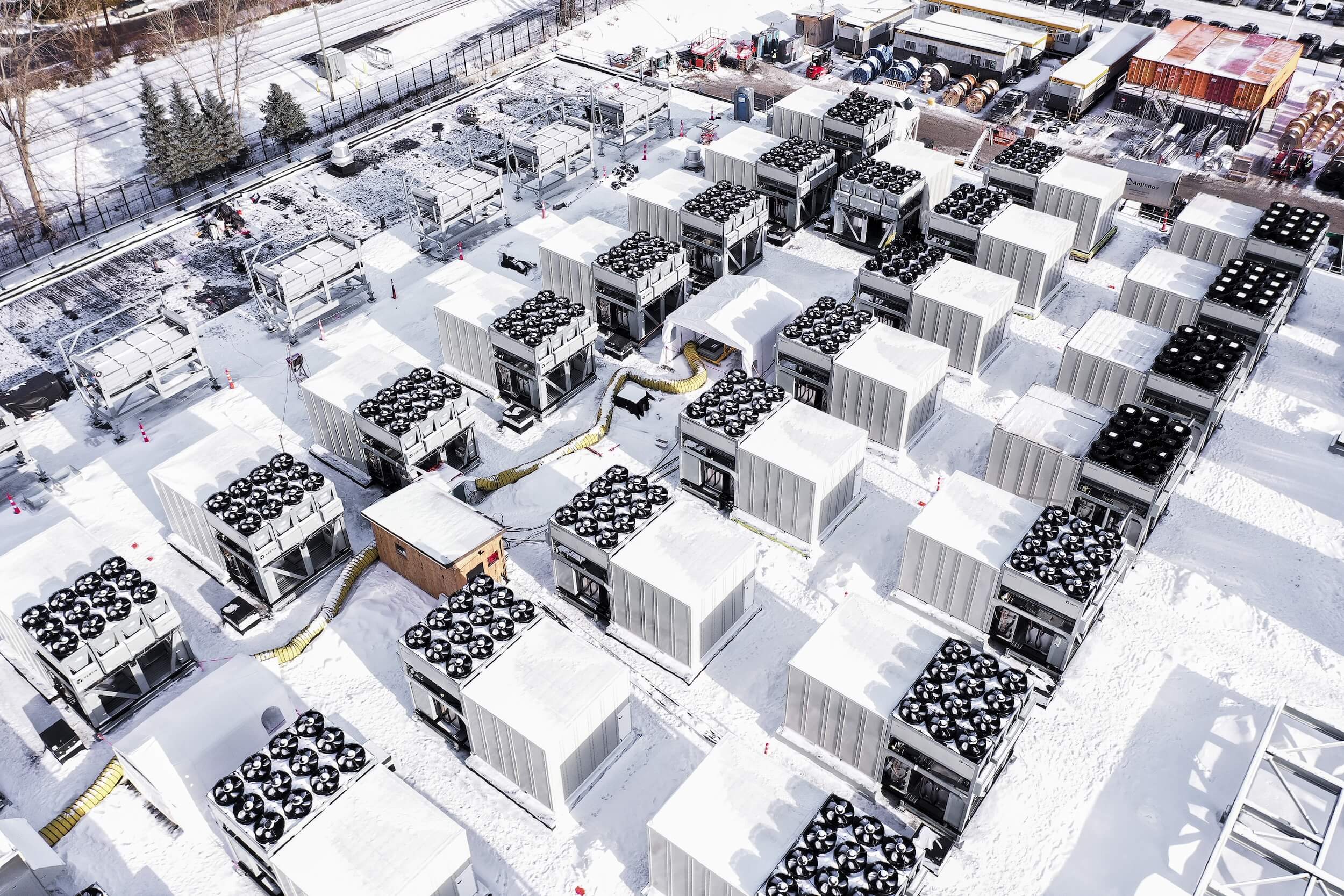
Data centers, labs, cleanrooms operating in Quebec — heat-recovery and electrification measures qualify under the commercial or industrial program rules depending on the host site.
How we work
Four steps from eligibility to performance reporting
Eligibility review
Tell us about your building and your project; we map you against ÉcoPerformance and every other active program and tell you what you qualify for.
Grant-optimized design
We design the project so it maximizes eligible measures — not after the fact.
Application management
We do the paperwork. Analysis component (50% of audit costs), implementation component, and the follow-up.
Performance reporting
Required by the program. We deliver it — measured against the baseline.
ÉcoPerformance FAQ
What our clients ask before engaging
Which projects actually qualify for ÉcoPerformance?
ÉcoPerformance applies to commercial, institutional, and industrial sites operating on Quebec soil that consume fossil fuels — or are converting away from them. The program finances energy-consumption measures, energy-production measures, and process improvement, all aimed at reducing greenhouse-gas emissions from combustion or fugitive releases. Specific eligible measures vary by site; our Energy division maps your building against the program before any design work is locked in.
What are the payback caps on the implementation grant?
The Implementation component grant is the lowest of three values, one of which is a fixed amount that caps the project's simple payback. Those caps are: 5 years for institutional sites, 3 years for commercial sites, 2 years for industrial small/medium energy consumers, and 1 year for industrial large consumers. The other two values capping the grant are 75% of eligible project cost (all public sources combined) and a per-tonne rate of $125/tonne of CO₂eq saved for small/medium consumers ($40/tonne large; $50/tonne large with ISO 50001 certification).
What's actually covered — analysis versus implementation?
Two components run in sequence. The Analysis component subsidizes 50% of the cost of an energy analysis, up to $100,000 per site for small/medium consumers or $300,000 per site for large consumers. The Implementation component then funds the actual measures — energy-consumption and energy-production measures, plus process improvement — under the lowest-of-three formula. Both components flow through Transition Énergétique Québec.
Is there a bonus for ISO 50001 certification?
Yes — for large industrial consumers, ISO 50001 certification raises the ÉcoPerformance per-tonne implementation rate from $40 to $50 per tonne of CO₂eq saved. Separately, NRCan provides up to $40,000 per commercial or institutional building (max $200,000 per organization per fiscal year) to help finance the implementation of the ISO 50001 standard itself. The two streams can stack.
Can ÉcoPerformance be stacked with Énergir and Hydro-Québec?
Yes. Multiple programs can apply to the same project. ÉcoPerformance specifically caps the total of all public subsidies at 75% of eligible project cost, so we structure the application stack to maximize that envelope. Énergir adds $0.30 per m³ of natural gas saved (up to $100K small/medium, $175K large); Hydro-Québec adds up to $3M per project on electric measures in commercial and institutional buildings.
Do you guarantee approval of the application?
No firm can guarantee a program decision — approval rests with Transition Énergétique Québec. What we do is the work that makes approval likely: an eligibility review before commitment, a design built around the eligible-measure list, full management of both the Analysis and Implementation components, and the post-implementation reporting the program requires. Our track record on that path is $59M in grants secured for clients across past mandates, averaging 33% of total project cost.
Grant eligibility
Check your project's grant eligibility
Tell us about your building and the measures you are considering. A Kolostat grant specialist will identify the applicable program and next steps.
Get started
Find out what you qualify for
Download the grant guide for the math on how past projects were financed under ÉcoPerformance — then talk to our Energy division about yours.