


DECARBONIZE · HEAT PUMPS
Commercial heat pumps engineered for Quebec winters
Aerothermal, geothermal, air-to-water, and hybrid retrofits — designed around the operating costs and the grant programs that exist today, not the catalog. Our Energy division runs the whole path, including the new Énergir + Hydro-Québec + TEQ dual-energy program that finances up to 80% of project surcharges.
- Up to 0%
- Of project surchargesDual-energy program (Énergir + Hydro-Québec + TEQ) finances the incremental cost of going electric.
- $0M
- In grants securedAcross past client mandates — ÉcoPerformance, Énergir, Hydro-Québec and federal sources combined.
- 0%
- Average subsidy shareAcross past Energy-division mandates — share of total project cost covered by grants, all sectors combined.
Heat pump types we install
Four platforms, one engineering team
The right platform is the one that matches your building's load profile, your site constraints, and the grant envelope available — not the one with the loudest brochure. We engineer all four, so the recommendation is honest.
Aerothermal (air-source)
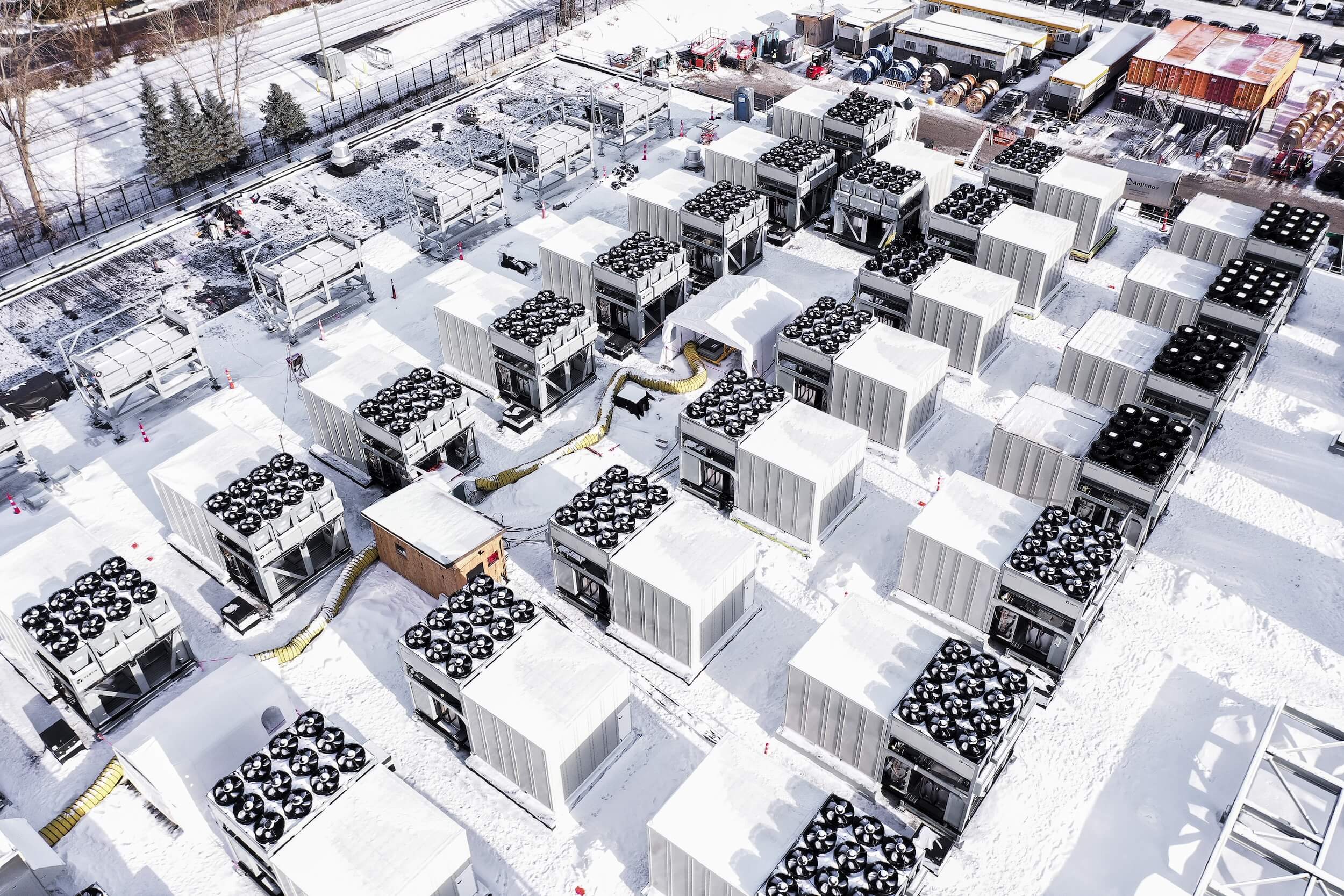
Air-source heat pumps that pull thermal energy from outdoor air. Best fit when site geology, footprint, or capital cost rules out ground loops. Sized against Quebec design conditions with the back-up strategy modelled in.
Geothermal (ground-source)
Ground-source systems for sites with the area and the long horizon to justify the borefield. Highest seasonal efficiency in cold climates, lowest exposure to design-day swings, and the strongest grant-stacking math.
Air-to-water / hydronic
Air-to-water heat pumps that drop into existing hydronic loops — radiators, fan coils, in-floor — without re-piping the building. The retrofit path of least resistance when the distribution system already runs on water.
Hybrid (dual-fuel)
Heat pump as primary, with the existing gas boiler retained as cold-snap back-up. The configuration the Énergir + Hydro-Québec + TEQ dual-energy program is built around — and usually the most cost-effective path in older Quebec buildings.
Dual-energy program advantage
The Énergir + Hydro-Québec + TEQ program — up to 80% of surcharges
The dual-energy program is the single biggest reason heat-pump retrofits pencil out in Quebec today. It targets the price gap between staying on gas and converting to a hybrid configuration — and our Energy division files the dossier across all three program administrators in one go.
Three programs, one financing envelope
A joint program from Énergir, Hydro-Québec, and Transition énergétique Québec that targets the price gap between staying on gas and going hybrid-electric. Designed specifically for buildings where pure electrification is not yet the obvious move.
Up to 80% of project surcharges
The program funds the *surcharge* — the incremental cost between a like-for-like gas replacement and a heat-pump-plus-back-up retrofit. Up to 80% of that delta is financed, which is what makes the hybrid path pencil out for most older portfolios.
How it works in practice
Our Energy division models the gas-only and the hybrid case side-by-side, calculates the surcharge envelope, and files the dual-energy dossier with all three program administrators. The Énergir and Hydro-Québec rebates are stacked inside the same application path, not negotiated separately.
Who qualifies
Commercial, multi-residential, industrial and horticultural buildings operating in Quebec that currently burn natural gas and are converting to a heat-pump-led configuration. Sector subsidy shares on past Energy-division mandates: 41% multi-residential, 38% industrial, 30% horticulture, 29% commercial.
Cold-climate engineering
Electrification only works if it works in February
A heat pump that performs in shoulder seasons and stumbles on the design day is a brochure, not a retrofit. The engineering work is in sizing, switchover, and defrost behaviour — scoped during the heat-load and feasibility step.
Sized for Quebec design conditions
Heat-pump capacity is engineered to the building load profile at the design heating day for the site — not selected from a catalog rating. The cold-climate sizing exercise is scoped during the heat-load and feasibility step.
Back-up and switchover strategy
Hybrid systems live or die on the switchover logic. We model where the gas back-up takes over from the heat pump against the load curve and the marginal cost of each fuel — then commission the controls to execute that crossover automatically.
Defrost and shoulder-season behaviour
Cold-climate units run defrost cycles when ambient drops below freezing. We design distribution and controls to ride through those cycles without comfort drift — and to recover usable heat where the system topology allows.
How we work
Four steps from feasibility to performance reporting
Heat-load and feasibility
Audit of the existing system, building load profile, and conversion options. We model gas-only, full-electric, and hybrid against the available grant envelope.
Grant-optimized design
Heat pump platform selection, integration with existing distribution, controls retrofit, and back-up strategy — engineered around the eligible-measure list so the grant filing writes itself.
Application and build
Our Energy division files the ÉcoPerformance, Énergir, Hydro-Québec and dual-energy dossiers, then executes the retrofit inside the occupied building with the existing service team.
Performance monitoring
Energy accounting dashboards and post-implementation reporting — the data the programs require, in the format your ESG team can fold into its disclosure.
Heat pump retrofit FAQ
What our clients ask before engaging
Are heat pumps viable in Quebec winters?
Yes — when the platform is specified for cold-climate design conditions and the back-up strategy is sized against the coldest design hours, not the catalog rating. For most older Quebec retrofits a hybrid (heat pump as primary, gas back-up retained) is the cost-effective path. Pure electrification is realistic for new construction and for some institutional retrofits — we have delivered net-zero institutional work including Library and Archives Canada.
When does aerothermal beat geothermal — and vice versa?
Aerothermal (air-source) wins on capital cost, footprint, and speed of execution — and on sites where ground loops are not feasible. Geothermal (ground-source) wins on seasonal efficiency, resilience to cold-snap design days, and on the grant-stacking math when the borefield can amortize over the asset life. We model both against your building and your grant envelope before recommending a path.
Can heat pump retrofits qualify for ÉcoPerformance, Énergir, Hydro-Québec, and the dual-energy program at once?
Yes — multiple programs can apply to the same project. ÉcoPerformance funds up to 75% of eligible project cost for GHG-reduction measures (caps the total of all public sources at that 75%). Énergir and Hydro-Québec contribute their own efficiency and electrification rebates. The newer dual-energy program (Énergir + Hydro-Québec + TEQ) finances up to 80% of project surcharges specifically for hybrid configurations. Our Energy division structures the application stack so each dollar lands in the right envelope.
What does payback typically look like?
Payback varies by asset class, gas-vs-electric rate exposure, and which grant envelope applies. On past Energy-division mandates, grants have covered 29% (commercial), 38% (industrial), 41% (multi-residential), and 30% (horticulture) of total project cost on average — and the dual-energy program can cover up to 80% of the surcharge to hybrid. We deliver the actual payback math for your building as part of the feasibility step, not as a brochure number.
Can you keep the existing boiler plant as back-up?
Yes — that is exactly the hybrid configuration. The heat pump becomes the primary heat source, the existing gas boiler is retained for cold-snap back-up, and the controls automate the switchover at the marginal-cost crossover. This is the configuration the Énergir + Hydro-Québec + TEQ dual-energy program is designed to finance.
Request a quote
Tell us about your project
Submit right here — a Kolostat engineer will follow up to scope the work. Email or phone is required.

Get started
Find out what your building qualifies for
Tell us the building, the heating fuel, and the project stage. Our Energy division comes back with a heat-load read, a platform recommendation, and the grant envelope — including the dual-energy program — before any design work is locked in.