

MISSION-CRITICAL · ENGINEERING
Mission-critical HVAC for environments where downtime is not an option
Redundant cooling, pressurization, humidity, and particle control for laboratories, cleanrooms, and data centers — engineered for sites where a thermal incident is not on the table.
- 0+
- Certified specialistsEngineers, technologists, technicians — LEED, CEM, CMVP, RCx.
- 0
- Years in mechanical contractingFounded in 1927. Continuous operation in Quebec and Ontario.
- $0M
- In grants capturedÉcoPerformance, Énergir, Hydro-Québec — secured for client projects.
Verticals we serve
Three environments, one mechanical partner
Mission-critical is not one type of room. Each vertical has its own regulatory class, redundancy posture, and tolerance — handled by one accountable engineering team.
Research and pharma laboratories
Precision air conditioning, humidity control, and particle management for research, pharma, and university labs — engineered to the tight tolerances bench science actually requires.
Cleanrooms — semiconductor and medical device
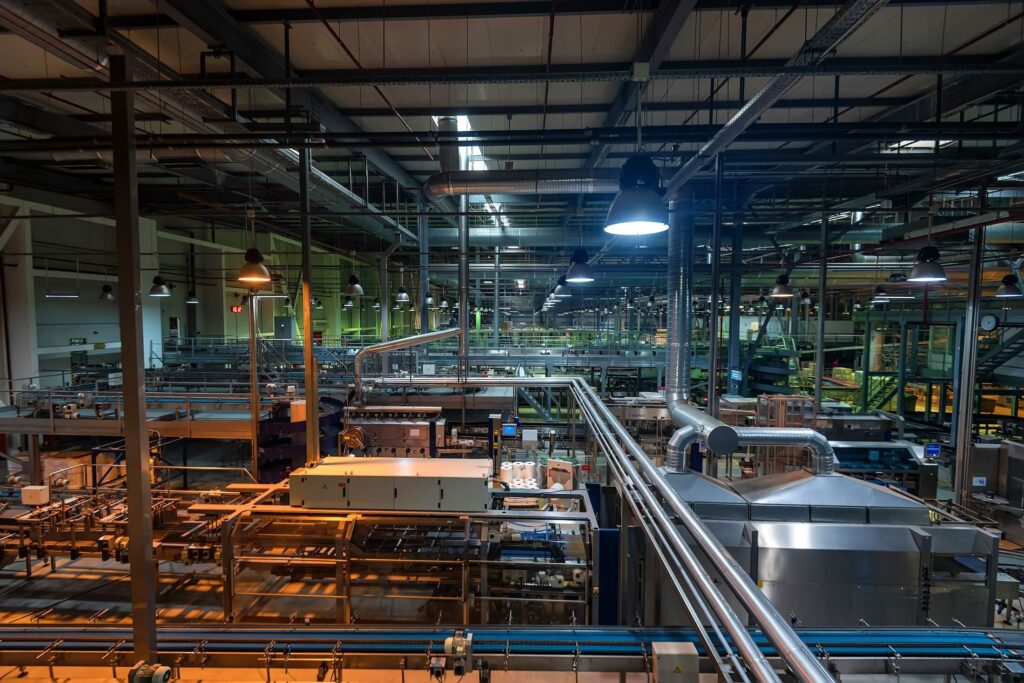
Pressurization, HEPA filtration, and particle control for semiconductor, medical-device, and high-tech production cleanrooms — the air-quality discipline these environments are built around.
Data centers — see dedicated page
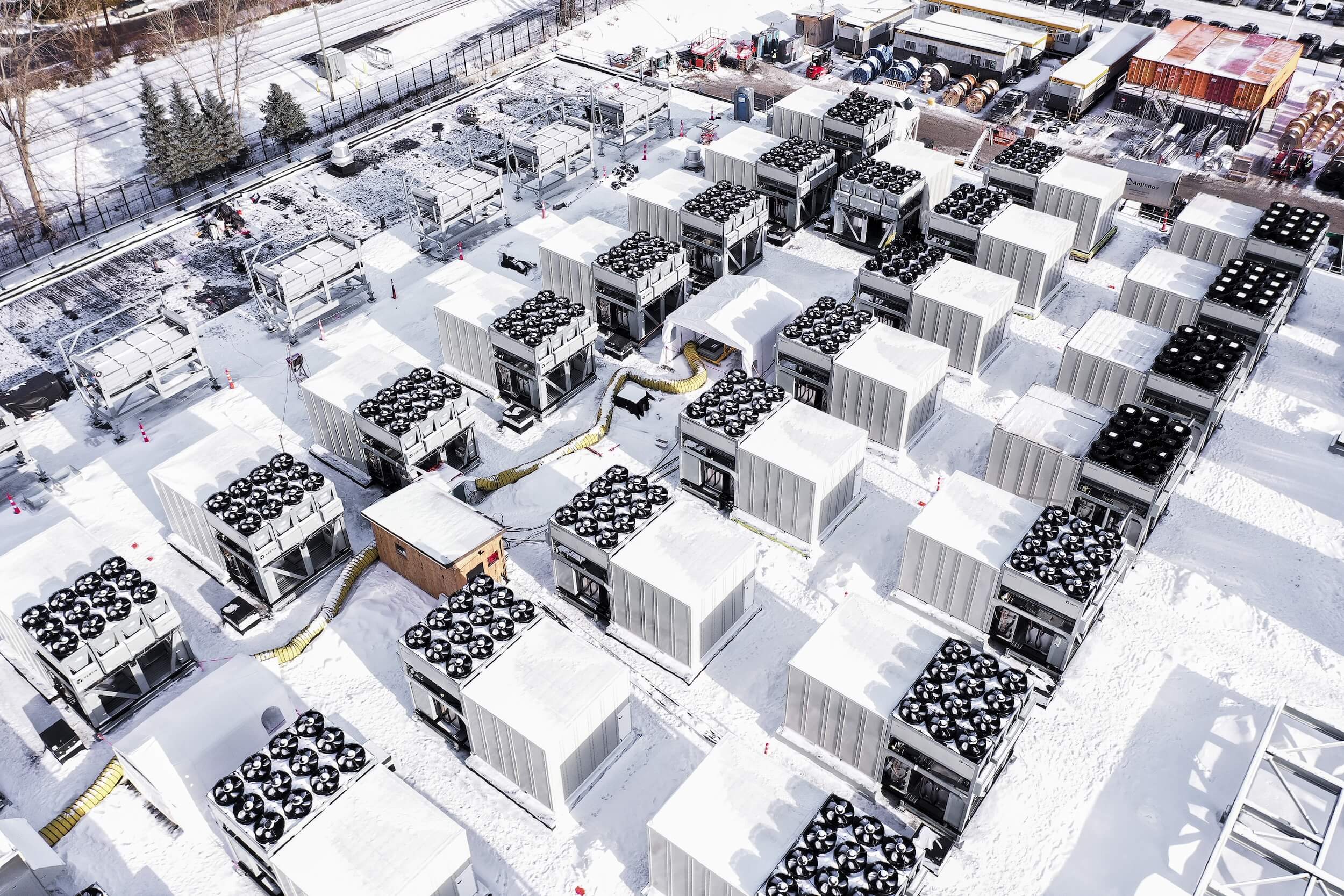
Precision cooling and liquid cooling for data centers in Quebec and the GTA — full scope on the dedicated data-center cooling page.
What mission-critical design demands
The five requirements every mission-critical room is engineered around
Mission-critical HVAC is a discipline, not a product line. Five requirements show up on every brief — every one of them is engineered, validated, and monitored.
Redundancy validated by audit
Redundant chilled-water, distribution, and controls topologies engineered to match the availability SLA the operations team has actually committed to. The redundancy claim is validated by transparent audits, not marketing language.
Tight temperature and humidity tolerances
Precision air conditioning and humidity control engineered for the tolerances research, biotech production, semiconductor cleanrooms, and high-density compute environments are designed around — not catalog comfort-cooling defaults.
Vibration and acoustic isolation
Rotating equipment, ductwork transitions, and pipe supports detailed for the vibration tolerance bench instruments and cleanroom processes require — engineered as part of the mechanical design, not patched after commissioning.
Air-change rates and pressurization per regulation
Air-change rates, pressurization cascades, and HEPA filtration designed to the regulatory class and project specification the room operates under — and validated against that benchmark during commissioning.
Real-time monitoring with proactive alerts
Real-time monitoring on Automated Logic / WebCTRL® — Kolostat is an authorized partner. Automated alerts and continuous performance optimization wired into your operations cadence, with digital-twin integration where the cadence justifies it.
Engineering consulting
The engineering scope behind a mission-critical mechanical design
One delivery org for the engineering work, the equipment selection, and the controls platform — so the people who model the load are the same people who commission the alerts.
Precision-cooling design
Precision air-conditioning unit selection and placement — precision-cooling and liquid-cooling strategies sized against actual rack densities and process loads, not catalog defaults. Technology-neutral on equipment — we select the unit that fits, not the one we sell.
Airflow strategy — hot/cold aisle, containment
Airflow design from the floor plan up — hot/cold aisle layout, containment, return-air strategy, and bypass control — so the precision cooling you paid for is delivered to the load and not the room.
Specialized fluid systems
Chilled-water, glycol, hot-water, and process fluid networks engineered for redundancy, isolation valves for maintenance-without-downtime, and the high-pressure or specialty-fluid duty that lab and high-tech sites require.
Load modeling against real operating data
Engineering against measured site loads, growth curves, and rack-density forecasts — not nameplate. Thermal modeling lets us right-size redundancy and avoid the over-design that drives up first cost and operating cost.
Commissioning and performance handover
Load testing, controls commissioning, and a monitored handover on Automated Logic / WebCTRL® — with proactive alerts wired into your operations cadence before the project closes. We instrument what we build and stay involved through the first cycles of operation.
How we work
Four steps — modeling to monitored handover
Load and redundancy modeling
Site walk against your runbook, measurement of real loads, and the redundancy topology your SLA actually requires. Preliminary stages are free.
Engineering design and vendor selection
Mechanical, controls, and fluid-system design with vendor selection that is neutral on equipment — the unit that fits the load, not the one we sell.
Phased delivery — no outage tolerance
Work staged so the redundant side absorbs load first. Cutovers scheduled in coordination with your operations team — the live side is never the side being touched.
Commissioning and monitoring handover
Load testing, controls commissioning, and a monitored handover on Automated Logic / WebCTRL® with proactive alerts wired into your ops cadence.
Operations-director FAQ
What our clients ask before signing on
What levels of redundancy do you offer?
N+1 and 2N are the redundant chilled-water, distribution, and controls topologies we design against — selected to match the availability SLA your operations team has actually committed to. The redundancy posture is set against measured loads and validated by transparent audits, not marketing language.
How do you retrofit a live mission-critical site without downtime?
Phased delivery. Work is sequenced so the redundant side absorbs load first; cutovers are scheduled in coordination with your operations team; invasive work happens off-hours under temporary services. The same discipline our crews apply to occupied office and multi-residential buildings is applied to live labs, cleanrooms, and data centers — the live side is never the side being touched.
Do you handle lab and cleanroom design?
Yes. Pressurization cascades, HEPA filtration, air-change rates, humidity, and particle control for laboratories and cleanroom environments are a core mission-critical scope. We design against the regulatory class and project specification the room is required to maintain, and validate the result during commissioning.
Do you handle HVAC for institutional and healthcare environments?
Yes. Our institutional scope covers hospitals, educational institutions, and government buildings — designed against the safety, health, and asset-protection requirements applicable to the facility type. Where the mechanical design touches a room with a clinical protocol, we coordinate with infection-prevention and clinical-engineering teams so the mechanical lands on the protocol it is meant to support.
What is your emergency response window for mission-critical clients?
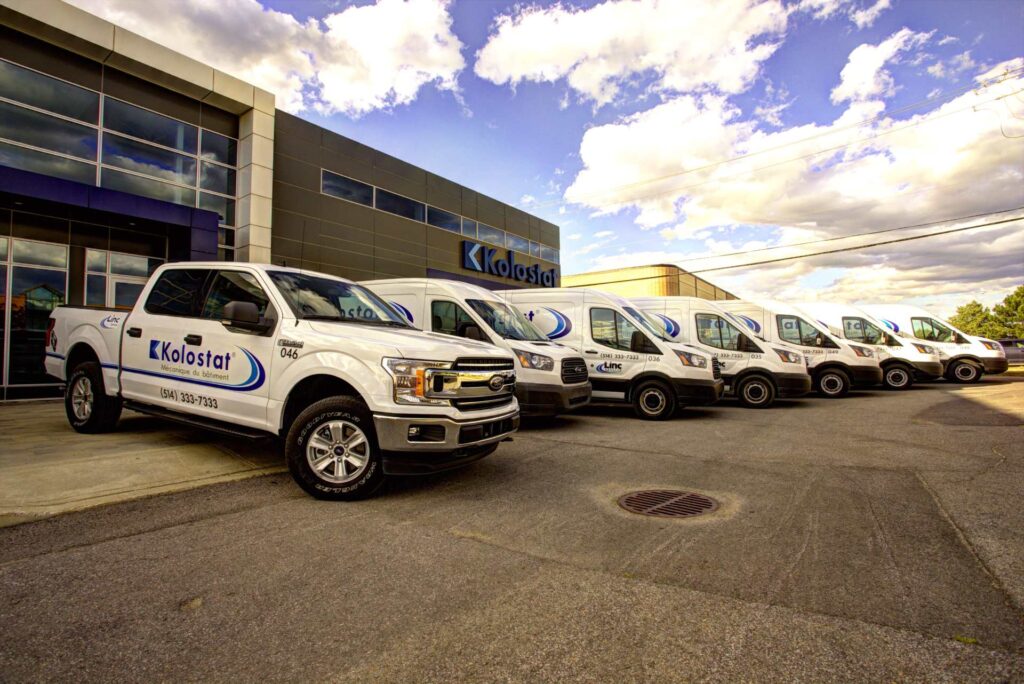
One dispatch number — 514-333-7333, option 1 — backed by a fleet of 25+ service trucks across Greater Montréal and the GTA, with specialized on-call coverage for mission-critical clients. Response targets are set in the maintenance contract against the criticality of the asset; sites under preventive contract get priority dispatch ahead of unscheduled callouts.
What does monitoring and escalation look like post-handover?
Real-time monitoring on Automated Logic / WebCTRL® — Kolostat is an authorized partner — with proactive alerting wired into your operations team and our 24/7 dispatch. Thresholds and escalation paths are set during commissioning so an alert routes to the right person on the right shift, not to a generic inbox. Digital-twin integration is available where the operations cadence justifies it.
Request a quote
Tell us about your project
Submit right here — a Kolostat engineer will follow up to scope the work. Email or phone is required.
Get started
Have a mission-critical mechanical scope?
One mechanical partner for redundancy engineering, precision cooling, lab and cleanroom pressurization, and 24/7 service. RBQ (1269-6704-94), CMMTQ — Automated Logic / WebCTRL® authorized partner.