


DECARBONIZE · BUILDINGS
Decarbonize your portfolio — 55,000 t CO₂e avoided per year
Kolostat's Energy division runs the full path from audit to operating dashboard, on portfolios across Canada. In Quebec, most projects are largely self-financed through grants and operating savings, with ÉcoPerformance capping total public funding at 75% of eligible cost.
Trusted by



















By the numbers
A track record you can put in your board deck
- 55,000 t
- GHG avoided annuallyAcross client portfolios — equivalent to roughly 15,000 cars off the road.
- 33%
- Average grant shareAcross past mandates, public subsidies have covered 33% of total project cost on average, regardless of sector.
- $59M
- Grants securedÉcoPerformance, Énergir, Hydro-Québec and federal co-funding won for clients across $148M in delivered projects.
What we deliver
Decarbonization measures we deliver
Six engineering scopes that compose into a portfolio roadmap, for buildings across Canada. In Quebec, each one can be eligible under at least one provincial program — and several stack.
Heat pump retrofits & electrification
Cold-climate heat pump platforms sized for each site’s winter design conditions. Replace fossil-fuel central heating with grid-fed thermal capacity, phased inside occupied buildings.
Waste heat recovery
Capture rejected heat from refrigeration, process loops, exhaust streams and wastewater. Re-route it to Make Up Air, domestic hot water, or adjacent assets on the same site.
Inter-building energy loops
Shared low-temperature loops connecting multiple buildings on a campus or mixed-use site. The cheapest negajoule is the one already circulating in your portfolio.
Controls & M&V
BMS sequence upgrades, demand-driven ventilation, and measurement-and-verification dashboards. Avoided tCO₂e reported the way your ESG team needs to disclose it.
Fuel switching to renewable production
Boiler reengineering, conversion away from heavy oil and natural gas to heat pumps, geothermal, or waste-heat recovery where the load profile fits. In Quebec, eligible under ÉcoPerformance energy-production measures.
Dual-energy & grant capture
In Quebec, dual-energy heat-pump/gas configurations are assessed for current Énergir and Hydro-Québec support. Eligibility, available measures, and permitted coordination with ÉcoPerformance or federal programs are confirmed for each project.
How the math works
Audit, propose, execute, measure
The engagement is sequenced so each step de-risks the next — and so the grant filings line up with the engineering, not the other way around.
Audit & baseline
Detailed portfolio energy analysis with a building-by-building energy and emissions baseline. In Quebec, the July 2026 ÉcoPerformance framework funds standard and complex analyses at rates and caps that vary by consumer class.
Engineering proposal
Each measure is costed with grant capture and tCO₂e abatement attached. In Quebec, current ÉcoPerformance rates vary by consumer class and sector, with the applicable formula capped at 75% of eligible cost.
End-to-end execution
Single accountable team running design-build, procurement, commissioning, and grant paperwork in parallel. Phased inside occupied buildings to avoid tenant disruption.
Ongoing measurement
Energy accounting and interactive dashboards from day one — savings versus baseline and avoided tCO₂e tracked continuously, in the format programs and your ESG team require for reporting.
Net-zero roadmap
A phased path to net-zero — without stranding capital
Most portfolios don't get to net-zero with a single retrofit. They get there with a sequenced roadmap that pays for itself along the way.
Phased decarbonization
A staged roadmap that sequences high-impact measures first — so the early projects help finance the later ones through operating savings and, where programs apply, subsidies.
Near-term vs long-term
Near-term: electrification and waste-heat capture where the load profile and grants align. Long-term: deeper retrofits and envelope work as part of the broader capital plan.
Measurement against baseline
Every measure tied back to the audit baseline so reported reductions are sourced from the building, not estimates. Required by ÉcoPerformance and most subsidy programs — and the same data feeds your ESG disclosures.
ESG-ready reporting
Output structured for the disclosure workflows your asset managers already run — energy consumption, savings against baseline, and avoided tCO₂e in a format that drops into your sustainability reporting.
How we engage
Four free preliminary steps
Meeting
A short scoping call with a senior Energy-division engineer. No-cost, no-obligation review of the portfolio and current energy profile.
Site visit
Walk-through of the priority assets. We confirm the technical baseline and identify the highest-impact decarbonization measures.
Diagnosis
Detailed energy and emissions audit. Technical and financial scenarios laid out, with grant capture modelled for each measure.
Solutions
Engineering proposal with phased delivery, financing structure, and the grant application plan — ready to commission.
Common questions
What our clients ask first
What counts as a building decarbonization project?
A decarbonization project is any measure that demonstrably reduces a building’s GHG emissions — typically through energy conversion away from fossil fuels (heat pumps, electric boilers), waste-heat recovery, inter-building energy loops, controls upgrades, or envelope work paired with HVAC. Kolostat’s Energy division treats decarbonization as a portfolio engagement: audit, roadmap, design-build, grant management, and ongoing measurement, not a single product sale.
Full electrification or hybrid dual-energy — which is realistic?
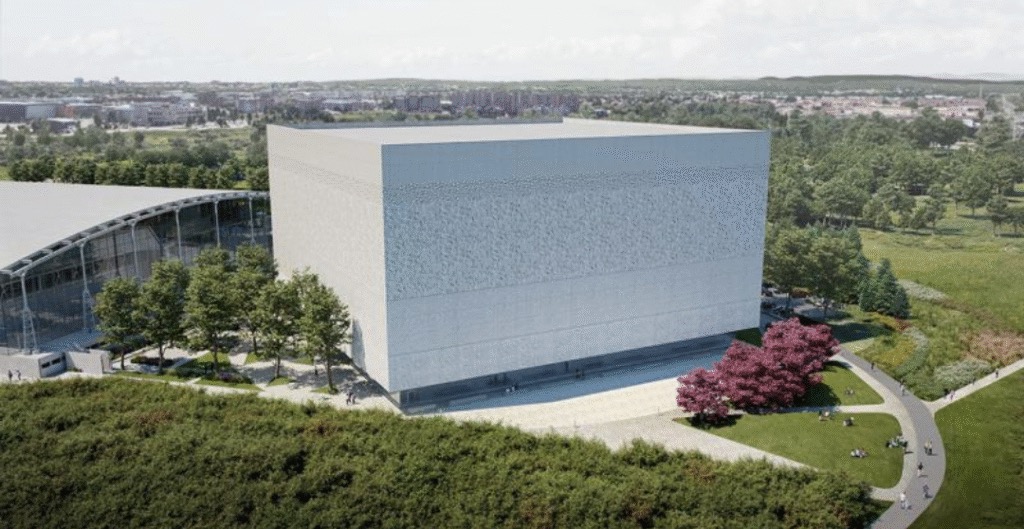
Both are on the table; the answer depends on the building. For new construction we have delivered net-zero institutional projects (Library and Archives Canada is one example). For retrofits in older buildings, a dual-energy configuration — heat pump as primary with gas back-up sized for the coldest design hours — can be the more cost-effective path once resilience, operating costs, and available support are modelled. In Quebec, Énergir and Hydro-Québec support is assessed under the program rules and eligibility criteria in force when the file is prepared.
How do you handle peak-demand management on the electrified plant?
Electrifying the heating load shifts winter peak onto the building’s electrical service, which is why we model peak demand alongside emissions. Mitigations include staged heat-pump operation, dual-energy back-up at coldest hours, BMS sequence upgrades, demand-driven ventilation, and (where it makes sense) thermal storage. We design the controls strategy so the operating bill — not just the carbon number — moves in the right direction.
Are we eligible for the dual-energy program?
In Quebec, Énergir and Hydro-Québec may support eligible dual-fuel heat-pump conversions through the current dual-energy program. Measures, amounts, stacking rules, and budgets can change, so we map the building against the rules in force at the start of the engagement. See the grants page for the broader program stack we coordinate for clients.
Can grants from ÉcoPerformance, Énergir and Hydro-Québec be stacked?
Yes — multiple programs can apply to the same project. ÉcoPerformance caps the total of all public subsidies at 75% of eligible project cost, so we structure the application stack to maximize that envelope. Across delivered mandates, our Energy division has secured $59M in grants for clients, averaging 33% of total project cost across commercial, industrial, multi-residential and horticulture sectors.
Do you deliver decarbonization projects outside Quebec?
Yes. Kolostat delivers decarbonization audits, roadmaps and projects across Canada from its offices in Laval, Montréal, Toronto, Newmarket and Calgary. The programs named on this page — ÉcoPerformance, Énergir and Hydro-Québec — apply to buildings in Quebec.
Is there a minimum project size?
No hard floor — the preliminary meeting, visit and high-level diagnosis are no-cost and no-obligation, so the first step is to look at the portfolio and tell you honestly whether the math works, on operating savings alone or with the grants that apply. In practice the engagement is built for commercial, institutional and industrial real estate portfolios where there is a meaningful energy bill to reduce — and where a sequenced roadmap pays for itself through operating savings and subsidies.
Request a quote
Tell us about your project
Submit right here — a Kolostat engineer will follow up to scope the work. Email and phone are required.